Pulsar vs Sprout Social: Advanced Social Intelligence vs Social Media Management

TL;DR
Sprout Social and Pulsar both serve social media intelligence, but for different jobs and at different prices. Sprout Social is a social media management platform (publishing, engagement, Smart Inbox), and its social listening is a $999/month add-on. Pulsar is an advanced, AI-powered social intelligence platform (audience intelligence, narrative analysis, predictive risk); its forthcoming Creative Studio adds publishing, AI audience simulation, and compliance.
- ▸Sprout = social media management; Pulsar = advanced social intelligence. The category split drives price, depth, and fit.
- ▸Sprout's buyer signals are genuine: 4.4 out of 5 on G2 and the number one Social Listening badge (Winter 2026), though that badge is awarded within the management category, not against specialist platforms.
- ▸Sprout Listening is a $999/month add-on, not in any base plan, and reviewers note it cannot pull audio from short-form social video.
- ▸Pulsar builds community detection, Narratives AI, and Crisis Oracle natively across 45+ source types and 200+ languages. Teams can pair it with Sprout or replace the listening add-on.
Social media management and social intelligence are two different software categories. Social media management software, which is Sprout Social's category, is built to publish content, schedule posts, manage engagement, and run team workflows across owned social accounts. Advanced social intelligence software (also called AI-powered social intelligence), which is Pulsar's category, is built to analyze public conversation at scale: who is talking, why it matters, and which narratives are forming around a brand. Sprout Social offers social listening as a paid add-on to a management platform. Pulsar is a dedicated intelligence engine with no publishing layer. That single distinction explains most of the differences in price, depth, and fit that follow.
This guide explains the category split, acknowledges Sprout's genuine strengths in full, and gives teams a clear framework for deciding whether to pair the two platforms or replace one with the other. For adjacent category breakdowns, see Pulsar vs Hootsuite, Pulsar vs Sprinklr, Pulsar vs Brandwatch, Pulsar vs Meltwater, and Pulsar vs Brand24.
In This Guide
- What is the core difference between Pulsar and Sprout Social?
- What does Sprout Social do well?
- Why does Sprout's $999/month listening add-on have limitations?
- What does Pulsar provide that Sprout's listening layer cannot?
- How do Pulsar and Sprout Social compare on key features?
- Should you pair Pulsar with Sprout or replace Sprout's listening?
- Frequently asked questions
What is the core difference between Pulsar and Sprout Social?
Sprout Social is a social media management platform. Its purpose is to help teams operate their owned social presence: composing and scheduling posts, managing replies and direct messages through the Smart Inbox, running approval workflows, and reporting on the performance of published content. Social listening exists inside Sprout, but it is an additional module layered on top of a management product, not the foundation the product is built on.
Pulsar is an AI-powered social intelligence platform. Its purpose is to analyze public conversation at scale and turn it into insight: audience intelligence, community segmentation, narrative analysis, and predictive risk monitoring. Historically, Pulsar has focused purely on understanding conversation rather than operating channels, leaving publishing to other tools. That is changing: Pulsar Creative Studio, entering beta in Q2 2026 with general availability in Q3 2026, adds publishing and scheduling, pre-publish AI audience simulation, and automated compliance checking.
This is why the two platforms are easy to confuse and yet rarely interchangeable. They both touch social data, so they appear in the same searches and shortlists. But they answer different questions. Sprout answers "how do we run and grow our social presence efficiently?" Pulsar answers "what is our audience actually talking about, who is driving it, and where is the next risk or opportunity forming?" The right tool depends entirely on which of those jobs your team is hiring software to do.
What does Sprout Social do well?
Sprout Social's strengths are real, and the market has rewarded them consistently. Sprout is one of the most-reviewed software products in its category, holding a 4.4 out of 5 rating on G2, the number one Social Listening badge in Winter 2026, and G2 Best Software awards for 10 consecutive years. These are genuine, powerful buyer signals, and any honest comparison has to acknowledge them in full rather than dismiss them.
Where Sprout genuinely leads is the day-to-day operation of social media:
- Publishing and scheduling: a mature, intuitive content calendar with drafting, approvals, and cross-network scheduling that social teams adopt quickly.
- Engagement and the Smart Inbox: a unified inbox that consolidates comments, mentions, and direct messages across networks so community managers can respond from one place.
- Social CRM and review management: contact histories, task assignment, and review monitoring that support coordinated customer-facing workflows.
- Reporting on owned channels: clean, presentation-ready analytics on the performance of published content and account growth.
- Ease of use and support: Sprout's high G2 standing is driven heavily by usability, onboarding, and customer support, which lower the cost of getting a team productive.
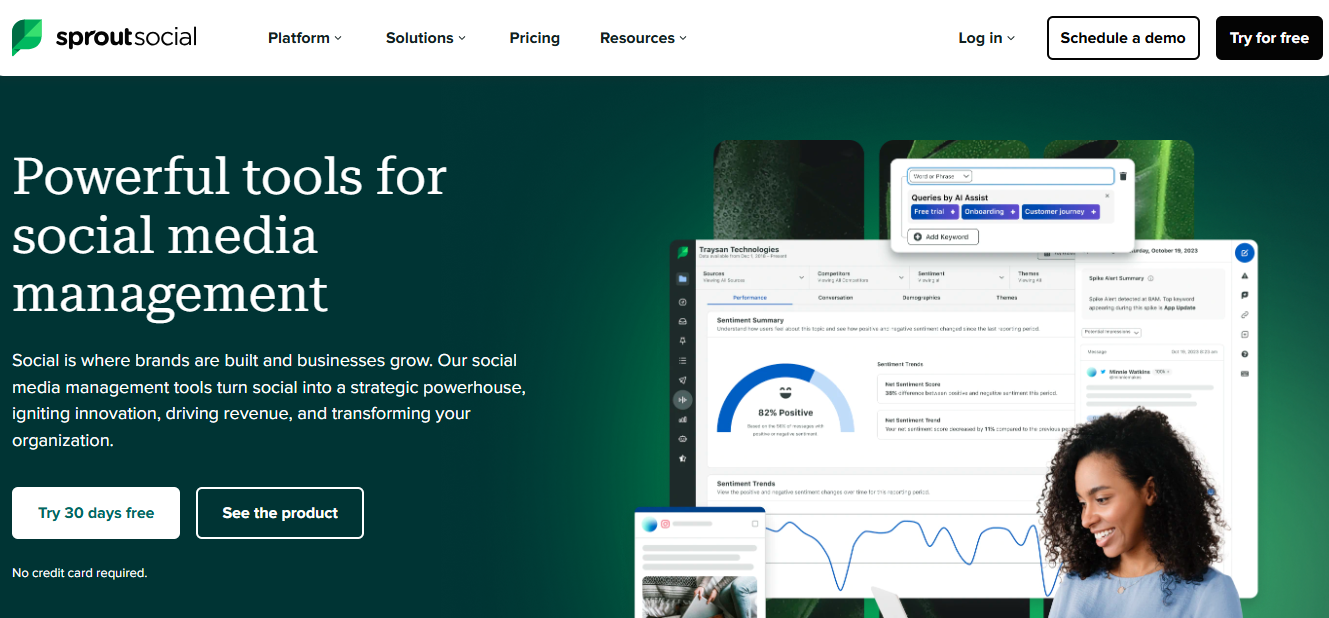
One framing point matters for buyers reading the badges. Sprout's number one Social Listening badge is awarded within the social media management category on G2, where Sprout is compared against other management suites. It is not a ranking against specialist intelligence platforms that do listening as their core product. That does not make the badge meaningless. It means it should be read for what it is: evidence that Sprout's listening is strong relative to other management tools, not evidence that it matches a dedicated intelligence engine on analytical depth.
Why does Sprout's $999/month listening add-on have limitations?
The first limitation is commercial. Sprout's social listening is not included in any base plan. It is a premium add-on priced at $999/month, roughly $12,000/year, on top of the per-seat subscription a team already pays for the management platform. For an organization that mainly wants publishing and engagement, that is a significant additional line item to unlock listening, and it changes the math of any "we already have Sprout, so listening is free" assumption.
The second limitation is analytical, and it follows from the category. Because listening is a module on a management product rather than the foundation of the engine, its depth is bounded by that design. G2 reviewers note that Sprout's listening cannot pull audio from short-form social video content, which is a meaningful gap when so much brand-relevant conversation now happens inside short-form social video rather than in text. Beyond that specific gap, listening built for management workflows typically emphasizes volume, keyword themes, and sentiment summaries rather than the deeper structures that intelligence teams rely on: network-based community detection, narrative clustering, and predictive crisis scoring.
None of this makes Sprout's listening bad. For a team that wants brand monitoring and sentiment tracking close to where they publish, it can be entirely sufficient. The point is to size it correctly. If the job is operational awareness, the add-on may be enough. If the job is research-grade audience and narrative intelligence, the module's design ceiling becomes the constraint, and that is exactly the work a dedicated platform is built for.
What does Pulsar provide that Sprout's listening layer cannot?
Pulsar's advantages come from specialization. Because the entire platform is built for intelligence rather than channel operation, it goes deeper on the questions that insights, brand, and comms teams actually ask:
- Native audience segmentation: Pulsar TRAC includes community detection built into the listening product itself, mapping an audience as a structure of communities and sub-communities rather than a single aggregated demographic. Audiense and StatSocial integrations add cross-platform identity resolution.
- Narrative intelligence: Narratives AI applies NLP and large language models to cluster conversation into storylines and measure which narratives are gaining momentum, instead of stopping at volume and sentiment.
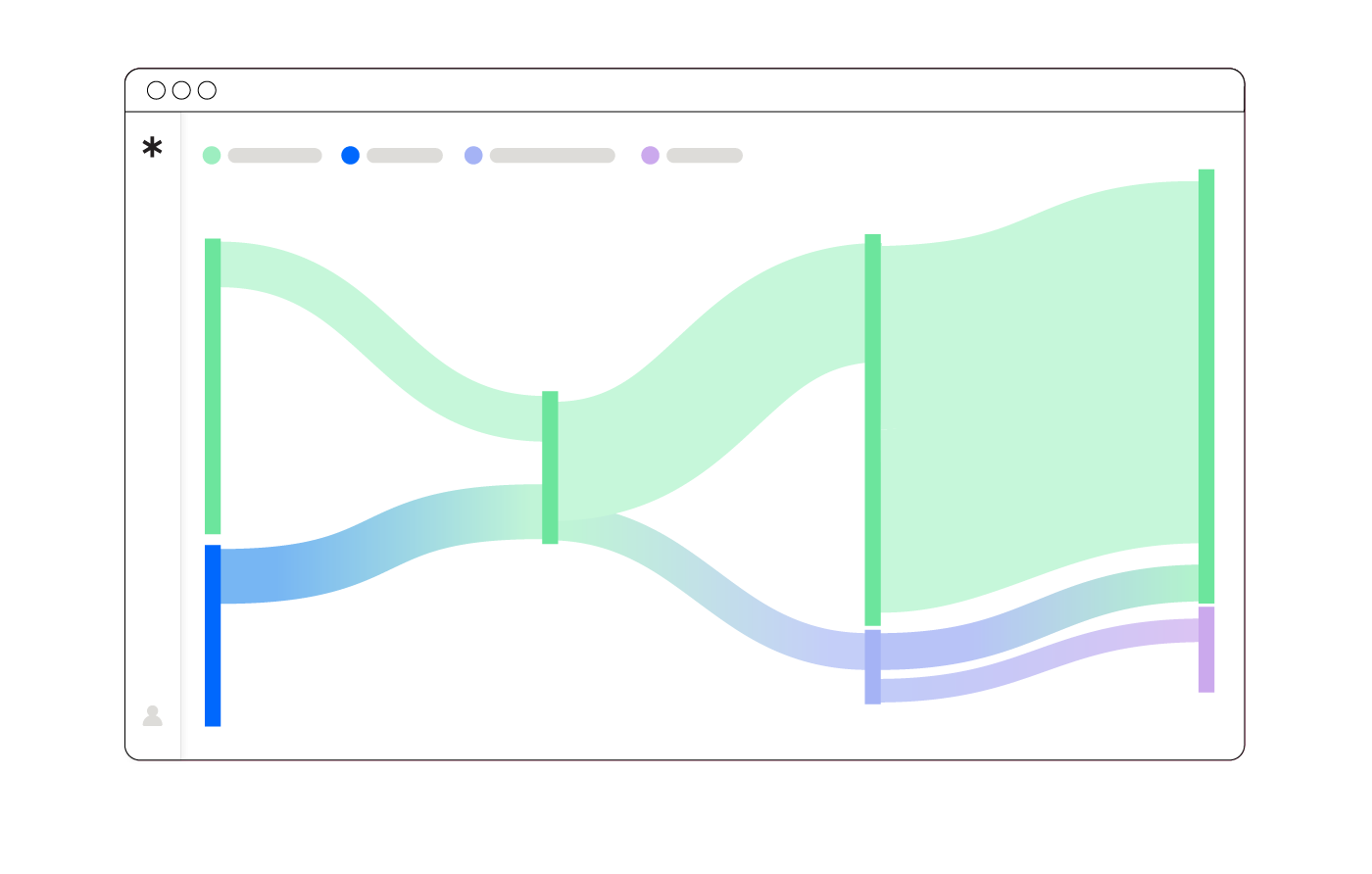
- Predictive crisis monitoring: Crisis Oracle applies the P.U.L.S.E.™ framework (Volume, Visibility, Velocity) to surface emerging crisis narratives before they reach mainstream visibility, giving comms teams lead time rather than a reactive alert. See crisis early warning for the methodology.
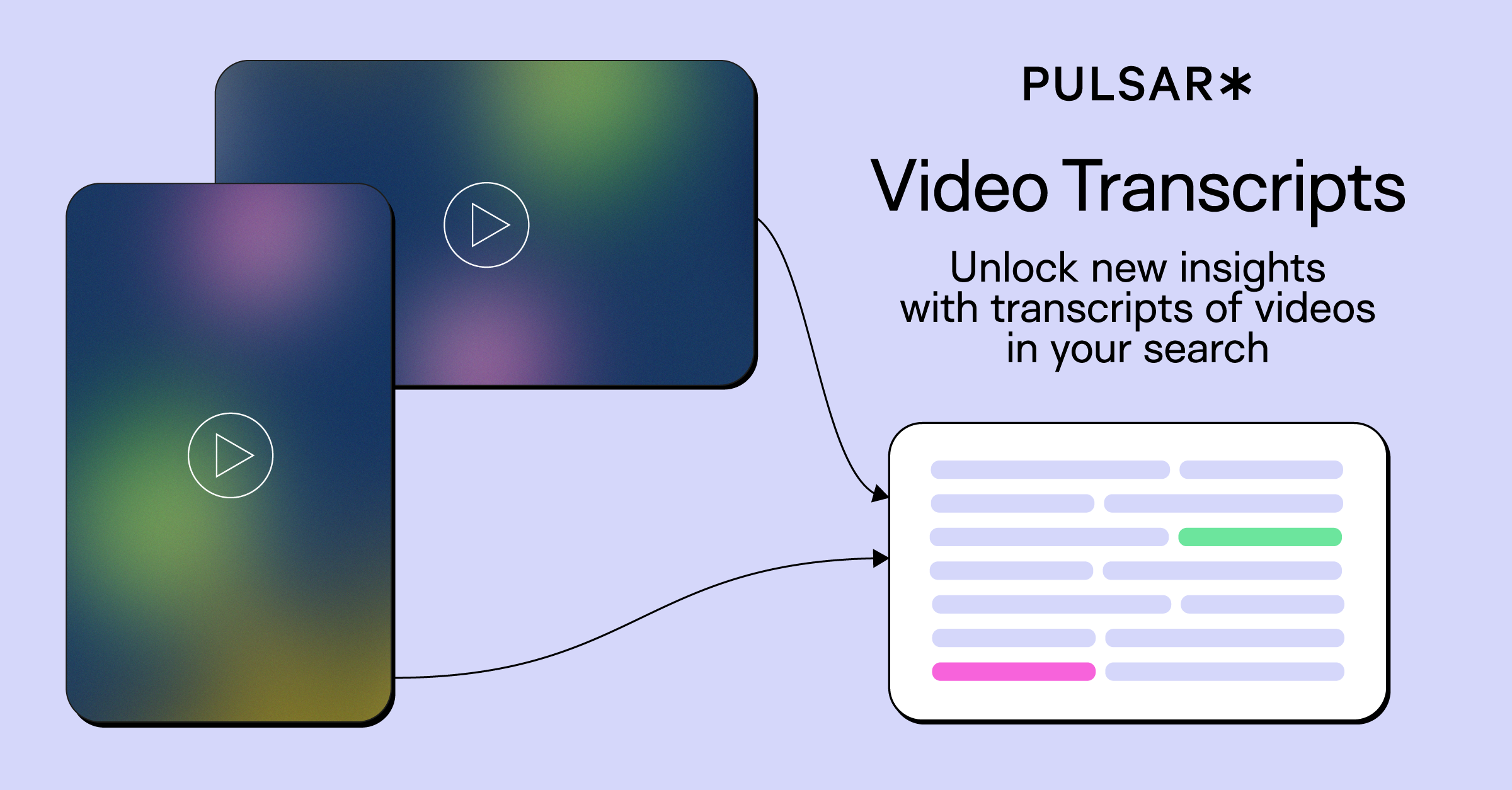
- Video and audio analysis: Pulsar's Video Transcripts service transcribes video audio across supported platforms so that spoken content in social video is analyzed for sentiment, emotion, and entities, addressing exactly the kind of gap reviewers flag in management-tool listening.
- Rich, broad data coverage: 45+ source types and 200+ languages, with deep APAC coverage including Weibo, WeChat, Xiaohongshu, Douyin, and Bilibili.
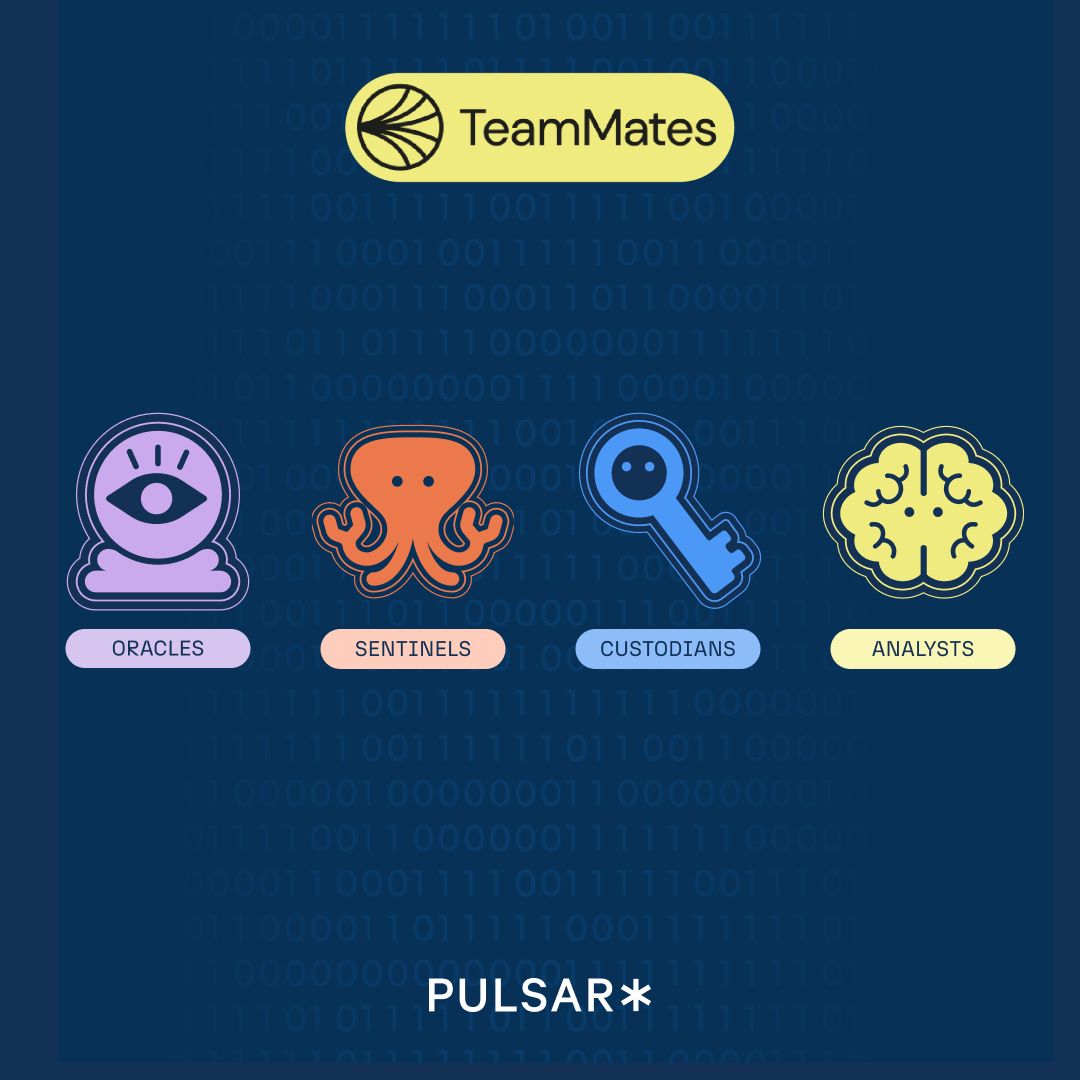
- Agentic AI and enterprise posture: Pulsar TeamMates automate routine monitoring and digests; Pulsar serves 6,000+ enterprise clients and holds SOC 2 Type II, ISO 27001, ISO 9001, GDPR, and Cyber Essentials certifications, backed by LSE-listed Pulsar Group plc.
- Creative Studio (launching 2026): a forthcoming publishing layer that pairs scheduling across X, Facebook, Instagram, LinkedIn, YouTube, and short-form social video with pre-publish AI audience simulation (via the Artificial Societies partnership) and automated compliance checking, with a community management module on the same roadmap.
What Pulsar does not do today is just as important to state plainly: it has no live post scheduling or engagement inbox, so a team running owned channels still needs a management tool for now. But with Creative Studio rolling out through 2026, that gap is closing and Pulsar is moving onto publishing turf. That is precisely why the decision below is framed as "pair or replace."
How do Pulsar and Sprout Social compare on key features?
The comparison below covers 9 dimensions that consistently appear in evaluations between the two platforms. Entries reflect each vendor's published documentation and public G2 review data as of June 2026.
Should you pair Pulsar with Sprout or replace Sprout's listening?
Because the two platforms sit in different categories, the decision is rarely a head-to-head replacement. For most teams it comes down to one of two clear paths.
Path 1: Pair the two platforms
Keep Sprout Social for what it does best, publishing, scheduling, and engagement, and add Pulsar alongside it for audience intelligence and narrative monitoring. This suits teams that genuinely need both jobs done: a social team running owned channels in Sprout, and an insights, brand, or comms function that needs research-grade understanding of the conversation. The two operate side by side without overlap, because Pulsar does not publish and Sprout's listening is not the analytical center of gravity.
Path 2: Replace the Sprout Listening add-on
If a team is already paying $999/month for Sprout Listening and the primary need is depth of intelligence rather than monitoring close to publishing, the question becomes whether that budget delivers more value as a dedicated platform. Teams in that position should evaluate whether Pulsar provides more intelligence per dollar than the add-on, while keeping Sprout's base plan for channel operation. This is a budget reallocation rather than ripping out Sprout entirely.
A simple way to decide: if your dominant need is running and growing owned channels, keep Sprout and treat listening as optional. If your dominant need is understanding audiences, narratives, and emerging risk, lead with Pulsar. If you genuinely need both at a high standard, pair them. As Pulsar Creative Studio rolls out through 2026 (adding publishing, scheduling, AI audience simulation, compliance, and community management), expect this calculus to shift, with more of the workflow consolidating onto Pulsar over time. For broader buyer context, see the best social media intelligence tools 2026 roundup and our guide to social listening versus social intelligence.
Frequently Asked Questions
+What is the difference between Sprout Social and Pulsar?
Sprout Social is a social media management platform built for publishing, scheduling, engagement, and team workflow, with social listening offered as a paid add-on. Pulsar is a social intelligence platform built for audience intelligence, narrative analysis, and predictive risk monitoring, with no publishing or scheduling layer. Teams whose primary job is running owned channels choose Sprout; teams whose primary job is understanding conversation and narratives choose Pulsar.
+Is Sprout Social good for social listening?
Sprout Social holds G2's number one Social Listening badge in Winter 2026, but that badge is awarded within the social media management category, not against specialist intelligence platforms. Sprout's listening is strong for brand monitoring and sentiment tracking close to where teams publish. For research-grade community segmentation, narrative clustering, and predictive crisis monitoring, a dedicated intelligence platform goes deeper.
+How much does Sprout Social social listening cost?
Sprout Social's social listening is not included in any base plan. It is a premium add-on priced at $999/month, roughly $12,000/year, on top of the per-seat subscription a team already pays for the management platform. Buyers should confirm current pricing with Sprout during procurement, as published pricing can change.
+Can Pulsar replace Sprout Social?
Today, Pulsar can replace Sprout's social listening add-on for teams whose primary need is intelligence, but not yet Sprout's publishing, scheduling, and engagement functions. That is changing: Pulsar Creative Studio, launching in 2026, adds publishing, scheduling, pre-publish AI audience simulation, compliance checking, and community management. For now, a team that needs to run owned channels still uses a management tool alongside Pulsar.
+Should I use Sprout Social and Pulsar together?
Many teams do. The common model is Sprout for publishing, scheduling, and engagement on owned channels, and Pulsar for audience intelligence, narrative monitoring, and predictive risk. Because Pulsar has historically had no publishing layer and Sprout's listening is a management module rather than a research engine, the two operate side by side with little overlap.
Sources
- G2: Sprout Social profile: rating and Social Listening / Best Software badges
- Sprout Social pricing: plan tiers and the social listening add-on
- Pulsar TRAC: source coverage, community detection, and video transcripts
- Pulsar Narratives AI: narrative clustering and momentum measurement
- Pulsar Crisis Oracle: predictive crisis intelligence and the P.U.L.S.E. framework
- G2: Pulsar Platform profile: rating and review data
Methodology and source attribution
This comparison was compiled by the Pulsar Platform editorial team in June 2026 using only publicly available product documentation, vendor websites, and third-party review platforms. Sprout Social ratings and badges (a 4.4 out of 5 on G2, the G2 number one Social Listening badge Winter 2026, and G2 Best Software awards for 10 consecutive years) reflect public G2 profile data accessed on the publication date; the $999/month social listening add-on reflects Sprout's published pricing at that time. The note that Sprout's listening cannot pull audio from short-form social video reflects G2 reviewer commentary, not vendor documentation. Pulsar capabilities (Pulsar TRAC source coverage, community detection, Video Transcripts, Narratives AI, Crisis Oracle P.U.L.S.E.) are drawn from Pulsar's own product pages and Pulsar Group plc public disclosures; the Pulsar G2 rating is 4.3 out of 5 on G2. No proprietary benchmarking, paid analyst reports, or NDA-restricted data were used. Pulsar Creative Studio capabilities and launch timelines (beta Q2 2026, general availability Q3 2026) are forward-looking, reflect current product plans, and are subject to change. Buyers should verify pricing and capabilities directly with each vendor during procurement against their own use case.
Disclosure: this article is published by Pulsar Platform. Pulsar-favorable claims are linked to underlying product pages or third-party sources wherever possible. Platform data reflects publicly available information as of June 2026 and may change. Pricing and contract terms should be confirmed directly with each vendor.
If you're interested in how Pulsar Tools can support your brand and strategy, simply fill out the form below and one of our specialists will contact you!