Best Social Listening Tools for Pharma Brands 2026: Compliance-Aware Comparison

VERDICT
Pharma social listening is not just brand listening with extra paperwork. It is a separate discipline. Adverse-event flagging, HCP narrative tracking, regulator surveillance, and compliance-aware reporting are non-negotiable, and only three platforms in 2026 instrument all four credibly.
Key Takeaways
- ▸Pharma listening requires four compliance-grade capabilities: pharmacovigilance-ready adverse-event flagging, HCP segmentation, regulator and policy surveillance, and audit-grade reporting.
- ▸Pulsar, Brandwatch, and Sprinklr are the three platforms that credibly instrument all four. The other five each cover one or two pieces well, none cover the full set.
- ▸Adverse-event detection from social channels is no longer optional. FDA and EMA pharmacovigilance guidance treats social media as an in-scope channel, and procurement teams should evaluate vendors on PV-ready workflow, not just keyword coverage.
- ▸HCP vs patient vs caregiver narrative distinction is the dimension most general listening tools handle worst. Without it, sentiment around a launch reads as one curve when it is really three.
- ▸Pulsar leads on narrative intelligence and HCP community detection. Brandwatch leads on global data breadth. Sprinklr leads when listening is bundled into an existing CXM stack.
In this article (Part 1)
- Why pharma listening is its own discipline
- Compliance-aware evaluation criteria
- How we evaluated
- The 8 best social listening tools for pharma in 2026
- Compliance-aware comparison matrix
Continue to Part 2: How Pulsar Approaches Pharma + Use-Case Selection Guide for the matrix interpretation, Pulsar pharma deployments, team-by-team platform picks, common procurement failure modes, and the FAQ.
The general social listening market is crowded and the listicles are noisy, but most of them stop at sentiment, volume, and influencer reach. Pharma teams cannot stop there. A platform that surfaces an adverse-event mention in a patient community but does not flag it for pharmacovigilance triage is a liability, not a tool. A platform that buckets a senior oncologist's clinical post in the same bucket as a wellness creator's testimonial misses the entire point of pharma listening. This guide evaluates eight platforms against the four capabilities that actually matter for pharma in 2026.
Why pharma listening is its own discipline
Pharma teams operate under constraints that almost no other industry shares. Adverse events reported through any channel, including social posts, fall under pharmacovigilance obligation. Promotional content is regulated. The audience is split into segments (healthcare professionals, patients, caregivers, payers, regulators) whose voices carry very different weight. Regulators themselves are an audience, and their language often shifts months before formal guidance lands. Audit-grade reporting is required not as a nice-to-have but as a condition of doing the work.
Adverse-event reporting and pharmacovigilance
The FDA and EMA both treat digital and social channels as in-scope for safety signal detection. A patient describing a side effect in a forum is, in principle, an AE report that the marketing authorization holder needs to assess. The practical question for the listening tool is whether it can surface posts that look like AE candidates, route them into a triage workflow, and preserve the post in its original form with timestamp and link for the PV team to action. Tools that bury such posts inside a sentiment dashboard are useless for this purpose. Tools that route them, time-stamp them, and preserve them are not optional, they are the floor.
HCP vs patient vs caregiver narrative distinction
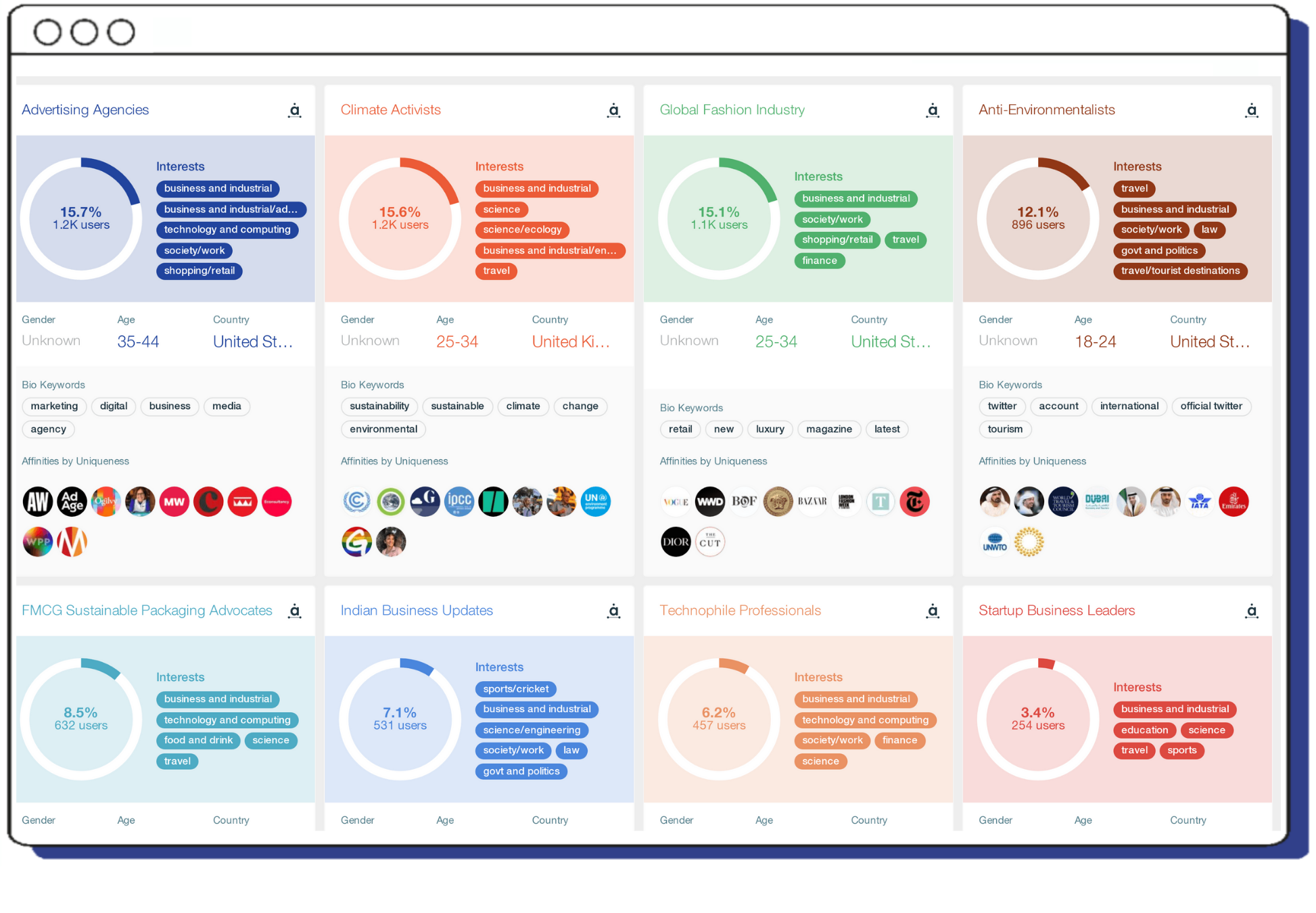
A clinical post by an oncologist on professional networks reads nothing like a patient testimonial in a disease-area community, and the two carry different weight when assessing real-world experience around a therapy. The dimension that general listening tools handle worst is segment identification. Without it, a launch dashboard shows one sentiment curve when there are really three, and the brand team makes decisions on a flattened signal. Pharma-grade listening needs to detect, classify, and report on these segments separately, including caregivers, who often carry the loudest voice in rare-disease and pediatric categories.
Regulator and policy surveillance
Regulators publish guidance, hold advisory committees, and increasingly post and comment in public. So do payers, HTA bodies, and patient advocacy groups whose positions shape market access. The listening platform needs to cover these voices, distinguish them from general consumer chatter, and surface narrative shifts before they harden into policy. The platform also needs to handle regional regulatory chatter in the relevant languages, which for global pharma means Mandarin, Japanese, Korean, German, French, Portuguese, and Spanish coverage at minimum.
Compliance-aware reporting and audit trails
Every chart that lands on a brand or medical-affairs review needs to be reproducible months later. That means the platform has to maintain a chain of custody on every post, a versioned record of every query, and an export that can be filed with the rest of the campaign record. Validation status, SOPs, and GxP-aligned workflows matter to the procurement team in ways they do not in consumer categories. Tools that quietly de-index sources or change classifications without versioning are not viable for pharma reporting.
Compliance-aware evaluation criteria
Pharma procurement teams should evaluate listening platforms against six concrete criteria, in this order:
- PV-ready adverse-event flagging. Can the platform detect AE-candidate posts, route them into a PV workflow, preserve the post in its original form with link and timestamp, and provide an audit export? Volume detection alone is not enough. The workflow has to be sustainable for a daily PV cadence.
- HCP segment identification. Can the platform classify authors as healthcare professionals, patients, caregivers, payers, or regulators with reasonable accuracy, and can it report sentiment and narrative separately by segment?
- Multilingual and regional regulatory coverage. Does the platform cover the languages and regional sources where regulators, advocacy groups, and patient communities actually operate? Pharma is a global discipline, and a tool that is strong in English-language consumer mentions but thin in Mandarin or Japanese is not fit for global launch work.
- Audit trail and chain of custody. Are queries versioned, posts preserved, and exports reproducible? Can the platform produce a defensible record months later?
- Visual and video pharma monitoring. Healthcare professionals are increasingly active on social video and creator platforms. Patients describe their experience in video diaries. The platform has to read visual and audio content, not only text, with multilingual transcription.
- Validation status and GxP-aligned workflows. Has the vendor produced documentation that supports the validation work the pharma team needs to do internally? This is a procurement-team question more than an analyst-team question, but it determines whether the deployment is viable at all.
Tools that get four or more of these credibly are pharma-grade. Tools that get only two or three are usable as one input among several, but cannot be the spine of a pharma listening program.
How we evaluated
This comparison was built from three inputs: vendor-published documentation as of May 2026, independent review platforms (G2 and Gartner Peer Insights) where review counts were sufficient to be informative, and direct experience working with pharma brand and medical-affairs teams on listening deployments. We do not score on raw mention volume, marketing claims, or feature counts. We score on whether the platform credibly supports the six criteria above in real pharma workflows.
Pricing is quote-based for every platform in this category at pharma scale. We do not publish figures because the variance across enterprise contracts is too wide for any single number to be useful, and pharma deployments typically include validation, SOP, and integration work that is priced separately from listening seats.
The 8 best social listening tools for pharma brands in 2026
The eight platforms below are listed in order of pharma fit, leading with the three that credibly cover the full discipline and continuing with the five that are strong on one or two dimensions but not all.
1. Pulsar (4.3/5 on G2)
Best for: Pharma narrative intelligence and HCP community work.
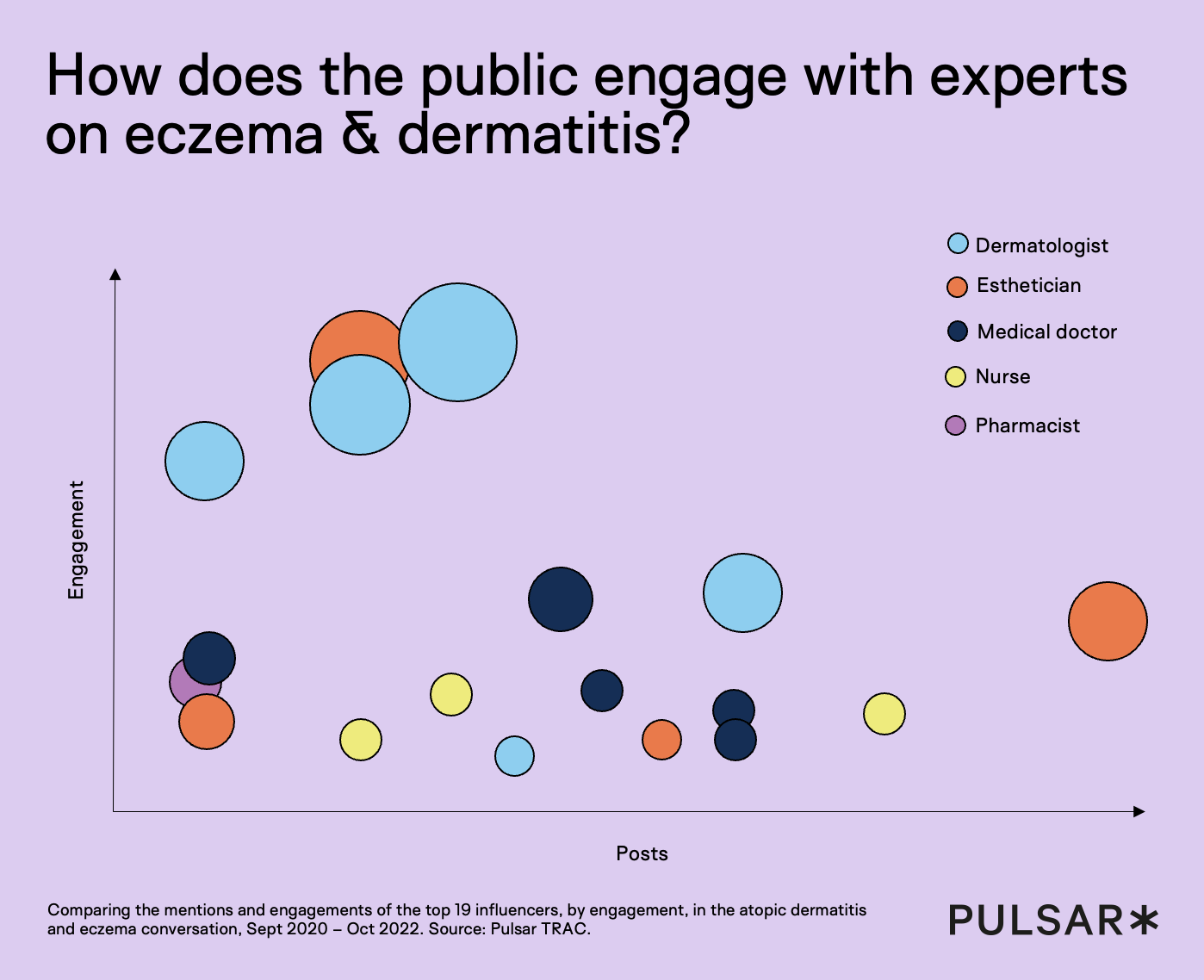
Differentiator: Narratives AI tracks belief-shift and narrative velocity around brand commitments, launches, and safety topics across HCP, patient, and caregiver segments separately. TRAC archetypes adapted for medical specialists let teams map oncology, cardiology, or rare-disease communities by professional sub-segment, which a flat HCP filter cannot do. Audio and video transcription covers HCP creators on social video and patient video diaries on YouTube. Pulsar's pharma hub has been the strongest existing position on healthcare and pharma queries, and the platform is built around the assumption that pharma teams report up to medical-affairs review cycles, not weekly campaign dashboards.
Use it for: launch narrative tracking, HCP community intelligence, regulator-watch programs, rare-disease patient community analysis, multilingual regional listening.
Verify with the team: current validation documentation, PV workflow integrations, and regional data coverage in your priority markets.
2. Brandwatch (4.4/5 on G2)
Best for: Established pharma listening at global scale.
Differentiator: Deep historical archive (1.6 trillion conversations indexed since 2010), strong global coverage, and an Iris AI layer that supports query authoring. Many large pharma organizations already run Brandwatch, and the muscle memory in medical-affairs and brand teams is a real asset. Adverse-event keyword libraries are reasonably mature in pharma deployments.
Limitations: HCP segment classification depends heavily on custom configuration and analyst tagging, narrative intelligence is feature-bolted rather than native, and the reporting UX has been a consistent point of friction in user reviews. Pulsar vs Brandwatch covers the deeper category comparison.
3. Sprinklr (4.0/5 on G2)
Best for: Pharma teams that already run Sprinklr as a CXM platform.
Differentiator: Listening is part of a unified customer experience stack that also covers paid social, owned channels, and service. For pharma teams managing patient support programs alongside brand and corporate channels, Sprinklr removes the integration tax. Adverse-event flagging can be routed into the same case-management workflow used for service.
Limitations: Listening depth is real but does not lead the category. Smaller brand or medical-affairs teams without an enterprise CXM use case will find Sprinklr's surface area larger than they need.
4. NetBase Quid (4.4/5 on G2)
Best for: Pharma teams that integrate listening with broader consumer research.
Differentiator: Strong analytical layer that pairs social with patent, news, and consumer research streams. Useful for medical affairs and market-shaping work where the question is not only how is the audience reacting but how is the broader scientific and commercial context moving.
Limitations: HCP segmentation and PV-workflow integrations are not as developed as the top three. Best paired with another platform for the day-to-day brand and patient listening cadence.
5. Meltwater (4.1/5 on G2)
Best for: Pharma teams whose primary use case is media monitoring and PR measurement.
Differentiator: Long-established media-monitoring engine with strong journalist and outlet data. Useful for corporate-comms teams tracking pharma earned media around clinical readouts, regulatory milestones, and reputation events.
Limitations: Social listening capability is real but media-led. HCP community intelligence and narrative analytics are not the strong suit. Best as a complement to a deeper listening tool, not a replacement.
6. Talkwalker (4.3/5 on G2)
Best for: Pharma teams that need the widest possible global data coverage.
Differentiator: Broadest source coverage in the enterprise listening category, and brand-safety image classification at scale. Good fit for global pharma corporate teams who need a single dashboard view across markets.
Limitations: Audience-archetype work, narrative intelligence, and HCP community analysis are weaker than the top three. Pulsar's Pulsar vs Talkwalker comparison covers the breadth-versus-depth tradeoff in detail.
7. Onclusive (4.3/5 on G2)
Best for: Pharma PR and earned-media measurement, plus social listening through Onclusive Social.
Differentiator: Strong PR analytics layer with media-impact scoring and integrated newsroom and clipping tools, alongside Onclusive Social for social listening, audience analysis, and Sentinel crisis alerting Pharma corporate-comms teams use it for reputation tracking around clinical events and regulator interactions.
Limitations: Onclusive's published positioning leads with communications and PR use cases rather than pharma-specific workflows. Teams should confirm adverse-event flagging, HCP segmentation, and validation support directly with Onclusive.
8. Synthesio (Ipsos) (4.2/5 on G2)
Best for: Pharma teams already using Ipsos panel data.
Differentiator: Integration with Ipsos research panels, allowing teams to triangulate social signal with stated-preference research. Useful for market-research-led pharma teams.
Limitations: Standalone listening depth is moderate, and the value proposition is strongest when paired with Ipsos panel work. Less competitive as a primary pharma listening tool outside Ipsos client orgs.
Compliance-aware comparison matrix
The matrix below maps the eight platforms against the six pharma-specific criteria. A check mark means the capability is credibly present in current product. A tilde means partial or analyst-configurable but not native. A dash means the capability is not part of the core offering.
The matrix makes the pattern visible. Pulsar, Brandwatch, and Sprinklr each clear five or six of the criteria. The next tier (NetBase Quid, Talkwalker, Meltwater) each cover one or two well. The bottom tier (Onclusive, Synthesio) are best used as adjacent specialist tools rather than as the spine of a pharma listening program.
How Pulsar approaches pharma
Three use cases describe how pharma teams typically deploy Pulsar. Each is built around a different priority but uses the same underlying narrative-intelligence stack.
HCP narrative tracking around a launch
A global oncology brand running a launch wants to know how clinical opinion leaders are framing the new therapy, separately from how patient communities are receiving it, and separately again from how payers and HTA bodies are positioning the access conversation. Pulsar's TRAC archetypes are configured around medical sub-specialties (in this case medical oncologists, surgical oncologists, nurse navigators) so the brand team sees three sentiment curves where a flat HCP filter would show one. Narratives AI tracks which clinical talking points are gaining velocity in the first 30 days post-launch, and which are being challenged in HCP communities, allowing medical-affairs to respond with targeted scientific exchange before a counter-narrative hardens.
Patient community intelligence for a rare-disease portfolio
For rare-disease portfolios the patient and caregiver community is often the highest-fidelity signal available, because survey panels are too small to be statistically useful. Pulsar's community-intelligence layer detects the small, high-engagement communities where rare-disease patients gather (closed groups, advocacy networks, condition-specific forums) and produces a continuous read on the language of unmet need, satisfaction with current standard of care, and reactions to clinical readouts. The output supports patient-experience programs and informs medical-affairs scientific communication.
Regulator-watch program for a global pharma
Regulators do not only publish guidance, they participate in conferences, advisory committees, and public discourse. A global pharma running a regulator-watch program with Pulsar tracks the language of FDA, EMA, MHRA, PMDA, and selected HTA bodies across multiple languages, surfacing narrative shifts that often precede formal guidance by weeks or months. The same query set also covers patient-advocacy organizations and policy think tanks whose positions feed into regulatory thinking.
Picking the right platform by team and use case
Pharma is not a single buyer. Different teams inside the same organization will value different things, and the listening platform that wins for one team may be the wrong choice for another. A short decision guide:
Medical affairs and pharmacovigilance teams
Lead with PV-ready AE flagging, audit trail, and HCP segmentation. Pulsar for HCP narrative depth, Brandwatch if the team already runs Brandwatch elsewhere in the organization, Sprinklr if the AE workflow needs to route through an existing CXM case-management system. NetBase Quid is a useful adjacent for scientific and patent context.
Brand and commercial teams
Lead with launch narrative tracking, competitor positioning, and patient community intelligence. Pulsar for narrative and community depth, Brandwatch for high-volume listening at scale, Sprinklr for teams that need brand listening as part of a unified channel and service stack.
Market access and policy teams
Lead with regulator and policy surveillance, payer narrative tracking, and HTA-body monitoring. Pulsar for narrative shift detection, Talkwalker for global breadth across markets, NetBase Quid if the team integrates listening with patent and policy research.
Patient experience and DTC teams
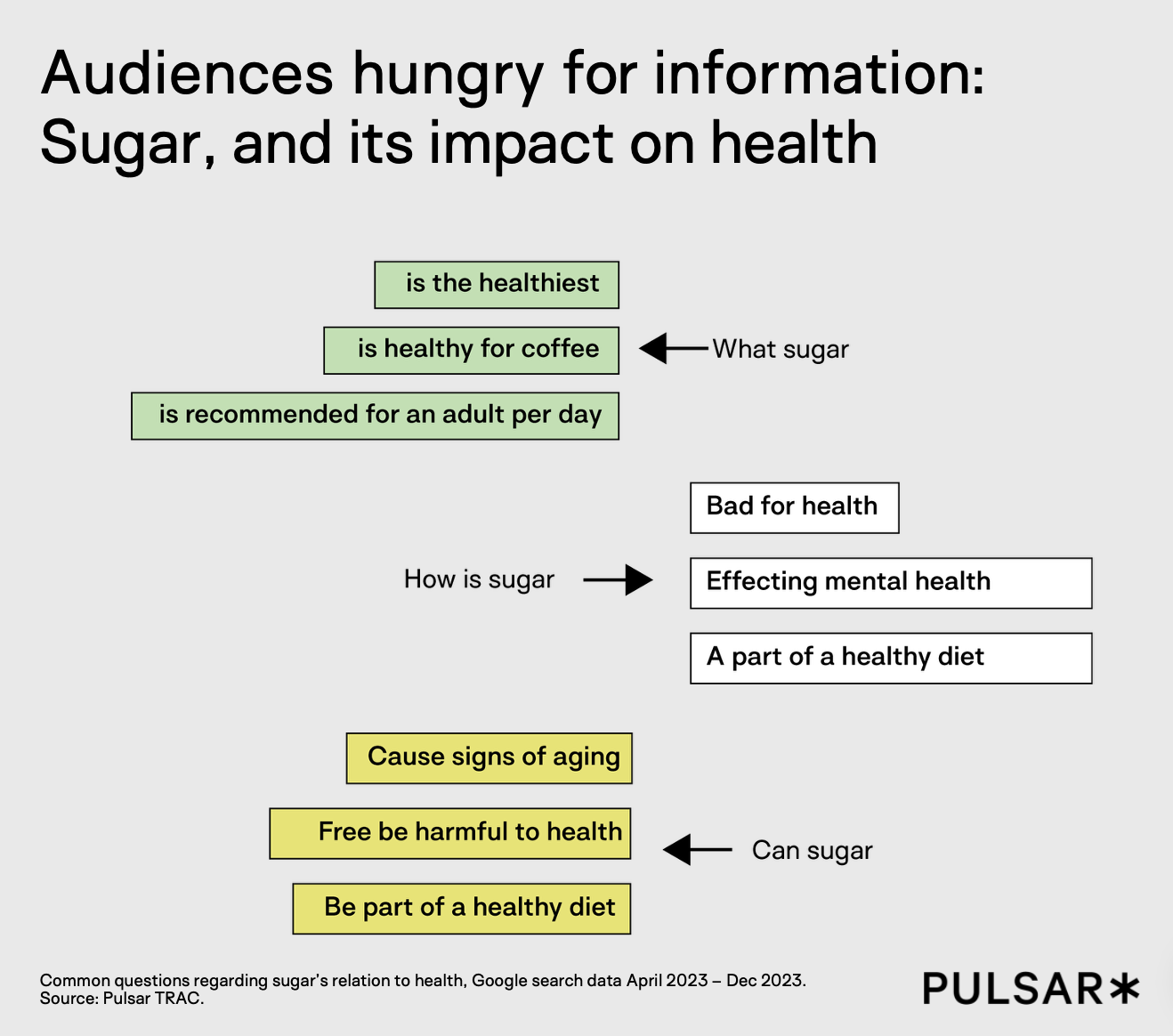
Lead with patient and caregiver community intelligence, video and audio monitoring, and unmet-need detection. Pulsar for community and visual depth, Sprinklr if the team also runs patient support programs through CXM, NetBase Quid when paired with broader consumer research.
Corporate communications and PR teams
Lead with earned-media measurement, reputation tracking, and crisis response. Meltwater or Onclusive for PR-led use cases, Pulsar for the social and narrative layer that sits behind the PR conversation, Brandwatch when the team wants a single global listening view.
Common failure modes in pharma listening procurement
Three patterns come up repeatedly in pharma listening procurement, and each is worth checking before signing a contract.
- Buying for breadth, deploying for depth. Procurement teams often choose the platform with the broadest source coverage on paper, then find that the analyst team needs depth on HCP communities and narrative work that the platform does not natively support. The fix is to involve the brand and medical-affairs analyst teams in the evaluation, not only the procurement committee.
- Treating PV as a checkbox. AE flagging is a workflow, not a feature. A platform that detects AE-candidate posts but does not preserve, route, and audit them is not pharma-grade. Procurement should ask vendors to demonstrate the full PV workflow end to end, including export and audit.
- Underweighting language coverage. Pharma is global, and the languages that matter are not only the largest five. Regional regulator chatter often happens in Japanese, Mandarin, Korean, German, Portuguese, or Spanish, and the platform that is strong in English but thin in these languages will produce a flattened global view.
Frequently Asked Questions
+What is the best social listening tool for pharma brands in 2026?
Pulsar leads for HCP narrative intelligence and patient community depth. Brandwatch leads for established global pharma listening at scale. Sprinklr leads when the pharma team already runs an enterprise CXM stack. These three platforms are the credible options that cover pharmacovigilance, HCP segmentation, regulator surveillance, and audit-grade reporting together.
+Is social listening required for pharmacovigilance?
Both the FDA and EMA treat digital and social channels as in-scope for safety signal detection. A marketing authorization holder that monitors digital channels has an obligation to assess posts that look like adverse-event candidates. The practical question for the listening platform is whether it can route AE-candidate posts into a PV workflow with audit trail, not only whether it can detect them.
+How is pharma listening different from general brand listening?
Pharma listening requires four capabilities that general listening tools handle weakly or not at all: pharmacovigilance-ready adverse-event flagging, HCP versus patient versus caregiver segmentation, regulator and policy surveillance, and audit-grade reporting with chain of custody. A platform that scores sentiment but cannot separate an oncologist's clinical post from a wellness creator's testimonial is not pharma-grade.
+Can social listening detect adverse events accurately?
Detection is the easy part. AE-candidate posts can be surfaced with reasonable recall using a combination of symptom and product keyword libraries plus language models. The harder part is triage, validation, and reporting. The right standard is whether the platform routes candidates into a PV workflow with preserved post content, timestamp, source link, and an audit trail that can be reproduced months later. Detection alone is not enough.
+How do you identify healthcare professionals in social data?
HCP identification combines profile-level signals (declared profession, credentialing networks, professional society links) with content-level signals (clinical language patterns, scientific reference behavior, conference activity) and network signals (peer-to-peer professional graphs). The platforms that handle HCP segmentation well treat it as a classifier trained on multiple inputs, not a single profile-field filter. Pulsar configures TRAC archetypes around medical sub-specialties to support this work.
+What languages should a global pharma listening platform cover?
For global pharma, the minimum useful coverage is English, Mandarin, Japanese, Korean, German, French, Spanish, and Portuguese. Beyond that, the priority depends on launch markets, regulator footprints, and patient community geography. Regional regulatory chatter in Asia is often missed by platforms that score well on English-language consumer mentions but thin out on local-language professional and policy sources.
Talk to the Pulsar pharma team
Pulsar works with global pharma brand, medical-affairs, market-access, and corporate-comms teams on listening programs that span HCP narrative tracking, patient community intelligence, regulator-watch, and PV-grade workflow integration. To discuss a deployment, including validation documentation and regional data coverage, talk to the Pulsar pharma team.
Related reading
- Pulsar's Social Listening & Audience Intelligence Guide for Health and Pharma (main hub)
- Bot Noise, AI Content, and the Authenticity Crisis
- Predictive Social Listening: Forecasting What Will Happen
- Social Listening for Crisis Prevention
- Social Listening for Crisis Management
- Consumer Trust in 2026: What Social Data Tells You That Surveys Can't
- Visual Social Listening: Image, Video and Audio Analysis
- What is Narratives AI
- What is Pulsar TRAC
- What is Community Intelligence?
- What is Narrative Intelligence?
- What is Social Listening? (Definitive Guide 2026)
- Audience & Community Segmentation
- Audience Segmentation Strategy
- Enterprise Social Listening: What Large Teams Actually Need
- Social Listening for PR Teams
- Social Listening for Brand Managers
- Social Listening for Campaign Planning
- Social Listening for Competitive Analysis
- How to Monitor Brand Narrative and Measure Belief Shift
- Brand Reputation Monitoring: A Complete Guide for 2026
- Detecting Emerging Narratives
- Narrative Attacks and Narrative Risk
- Best Narrative Tracking Tools 2026
- Understanding Sentiment Analysis: A Detailed Guide for B2B Teams
- Pulsar vs Talkwalker
- Pulsar vs Brandwatch
- Crisis Velocity: The Predictive Metric for Brand Protection
About the author
The Pulsar Platform editorial team works with global pharma brand, medical-affairs, and market-access teams on listening programs that meet pharmacovigilance, HCP segmentation, and audit-grade reporting requirements.
Tool data sourced from each vendor's published documentation and public review platforms as of May 2026. Pricing is quote-based for every platform at pharma scale. Last reviewed: May 2026.
If you're interested in how Pulsar Tools can support your brand and strategy, simply fill out the form below and one of our specialists will contact you!