Social Listening for the Beauty Industry: A Practical Guide to Audience and Narrative Intelligence
Social listening for the beauty industry is the practice of analysing real-time consumer conversations across social media, forums, blogs, video platforms, and online news to understand how beauty products, brands, ingredients, and aesthetics are being discussed. For beauty brands, social listening has become a critical source of insight into consumer sentiment, emerging trends, shifting beauty standards, and evolving expectations around efficacy, ethics, and identity.
Within the Pulsar framework, social listening extends beyond volume and sentiment tracking into Audience Intelligence and Narrative Intelligence. Audience Intelligence focuses on understanding the communities behind the data — mapping people by shared interests, behaviours, and values rather than relying on age or gender alone. Narrative Intelligence uses AI-driven clustering to detect the collective stories shaping beauty culture, revealing why certain ingredients, aesthetics, or brand positions gain traction while others lose relevance.
By combining social listening with audience and narrative intelligence, beauty brands can move from reactive trend-spotting to proactive cultural decision-making — informing product development, brand positioning, influencer strategy, and reputation management in a fast-moving, platform-led beauty landscape.
Critical Insights for Beauty Brands
The beauty landscape is currently defined by rapid-fire trend cycles and a fundamental shift in how consumers value expertise and efficacy. Social listening reveals several high-impact insights that are reshaping the industry:
- The "Smart" Shopping Narrative: Approximately 42% of the conversation surrounding "dupes" uses luxury-specific terminology, indicating that consumers view finding budget-friendly alternatives as a form of social status and savvy intelligence rather than mere necessity.
- The De-Stigmatization of "Imperfection": Narrative shifts in the acne care space have transitioned from "concealing" to "decorating," driven by the "Acne Positivity" movement and products that treat medical needs as fashion accessories [Pulsar_starface-pimple-patches].
- The Skinification of Adjacent Categories: Skincare science is no longer confined to the face; consumers are applying "barrier repair" and "ingredient education" to haircare, body care, and even the hygiene sector.
- AI Tension and Authenticity: While consumers use augmented reality (AR) features for virtual try-ons, there is a growing public narrative centered on ethical concerns regarding unrealistic beauty standards and the transparency of AI-generated content.
- Expert Influence vs. Traditional Advertising: Peer reviews and "skinfluencers" are primary drivers of trust, with beauty buyers researching consumer reviews before a purchase to combat "decision paralysis" in a crowded market.
| Metric | Industry Statistic (2025-2026) |
| Global Beauty Market Value (Core Segments) | USD 590 Billion (McKinsey) |
| Gen-Z who prioritize a company's societal impact | 90% (McKinsey) |
| Increase in "perfume dupe" searches (YoY) | 127% (Pulsar) |
| Consumers discovering new products via social ads | 41% (GWI) |
Why Social Listening Is Essential for Beauty Brands
The beauty industry is operating under intensified pressure from fragmented consumer behaviour and weakening brand loyalty. Where brand equity was once built through editorial authority and mass-media campaigns, beauty trends are now born on TikTok, Instagram, and Reddit, where user-generated content (UGC) dictates the rise and fall of products in real time.
Economic uncertainty has accelerated this shift through “Recession Glam,” as consumers trade down from prestige to mass brands while still expecting luxury-level performance. Social listening enables brands to track these “masstige” migrations, identify the rise of the dupe economy, and monitor when once-trusted ingredients shift from cultural assets to reputational risks.
At the same time, the path to purchase has become non-linear. Discovery, validation, and conversion now occur across multiple platforms and formats. Social listening helps beauty brands understand which channels shape awareness, which build trust, and where purchasing decisions ultimately take place — allowing teams to respond with precision rather than assumption.
The Beauty Landscape: Use Cases and Examples
The practical application of Pulsar’s audience and narrative intelligence can be categorized into four key strategic pillars: product innovation, brand positioning, reputation management, and cultural trend detection.
Product Innovation and the "Cute-ification" of Skincare
Traditional skincare marketing focused on the eradication of flaws. However, our deep dive into pimple patch company Starface illustrates how social listening can detect a fundamental shift in the "Acne Positivity" narrative. By tracking conversations across Twitter/X and niche forums, we identified that consumers were moving away from "concealing" their acne toward "decorating" it.
Starface transformed a medical commodity—hydrocolloid bandages—into star-shaped fashion accessories. This was not merely a design change but a response to a narrative shift. The data showed that Twitter/X conversations were often meme-heavy and fast-moving, while forums provided deep-dive reviews and fostered brand loyalty.
This insight allowed the brand to tailor its engagement strategy: using high-energy social content to spark interest and technical community support to maintain trust. This demonstrates that social listening can identify when a ‘problem’ (acne) can be reframed as a ‘platform for expression,’ leading to entirely new product categories.
This example underscores the central value of social listening for beauty brands: understanding not just what audiences are talking about, but how and why those conversations evolve. By combining audience intelligence with narrative intelligence, brands can identify when cultural shifts create new category opportunities, anticipate the competitive dynamics that follow, and adjust product strategy, messaging, and community engagement accordingly. In fast-moving beauty markets, sustained relevance depends less on owning a trend and more on continuously tracking the narratives and audiences that give it meaning.
Brand Positioning and the "Dupe" Economy
In our Dupe Report, we analyzed the phenomenon of consumers hunting for budget alternatives to luxury brands like NARS or Charlotte Tilbury. A critical finding was that 42% of the conversation surrounding these dupes utilized luxury terminology. This suggests that the driver is not just a lack of funds, but a desire for "smart shopping" and the status that comes with finding efficacy at a lower price point.
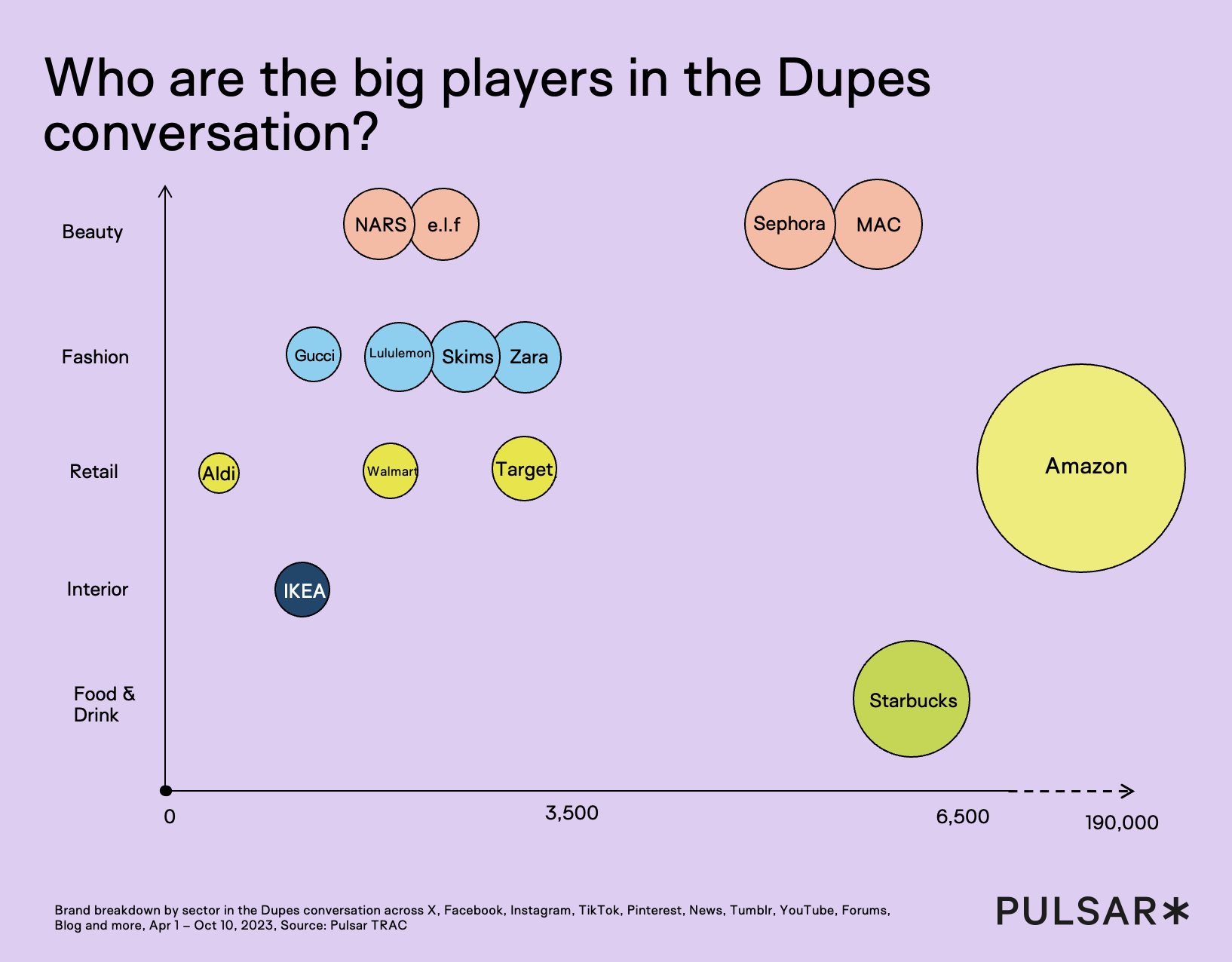
For brands like e.l.f. Cosmetics, this intelligence provides a roadmap for positioning. By adopting the language of prestige beauty—focusing on "pigment payoff," "formula stability," and "inclusive shade ranges"—mass-market brands can capture the "masstige" consumer. Conversely, luxury brands must use social listening to monitor which of their "hero products" are being targeted by dupe hunters, allowing them to reinforce their unique value propositions, such as "brand heritage" or "exclusive ingredient patents," to justify premium pricing.
This highlights how social listening reveals the narratives shaping value perception in beauty. Dupe culture is driven less by price sensitivity than by status, language, and perceived expertise — insights that allow mass and prestige brands alike to adjust positioning, defend differentiation, and respond strategically as category boundaries blur.
The Skinification of Haircare and Body Care
Social listening has identified a trend where consumers apply skincare science to other personal care categories. In our report on how haircare came to resemble skincare, we tracked the rise of scalp care and hair masks during global lockdowns. As consumers shifted their focus from external styling to internal health, the language of "facial care" began to dominate the haircare space, with terms like "scalp exfoliation," "hydration," and "serum" becoming commonplace.
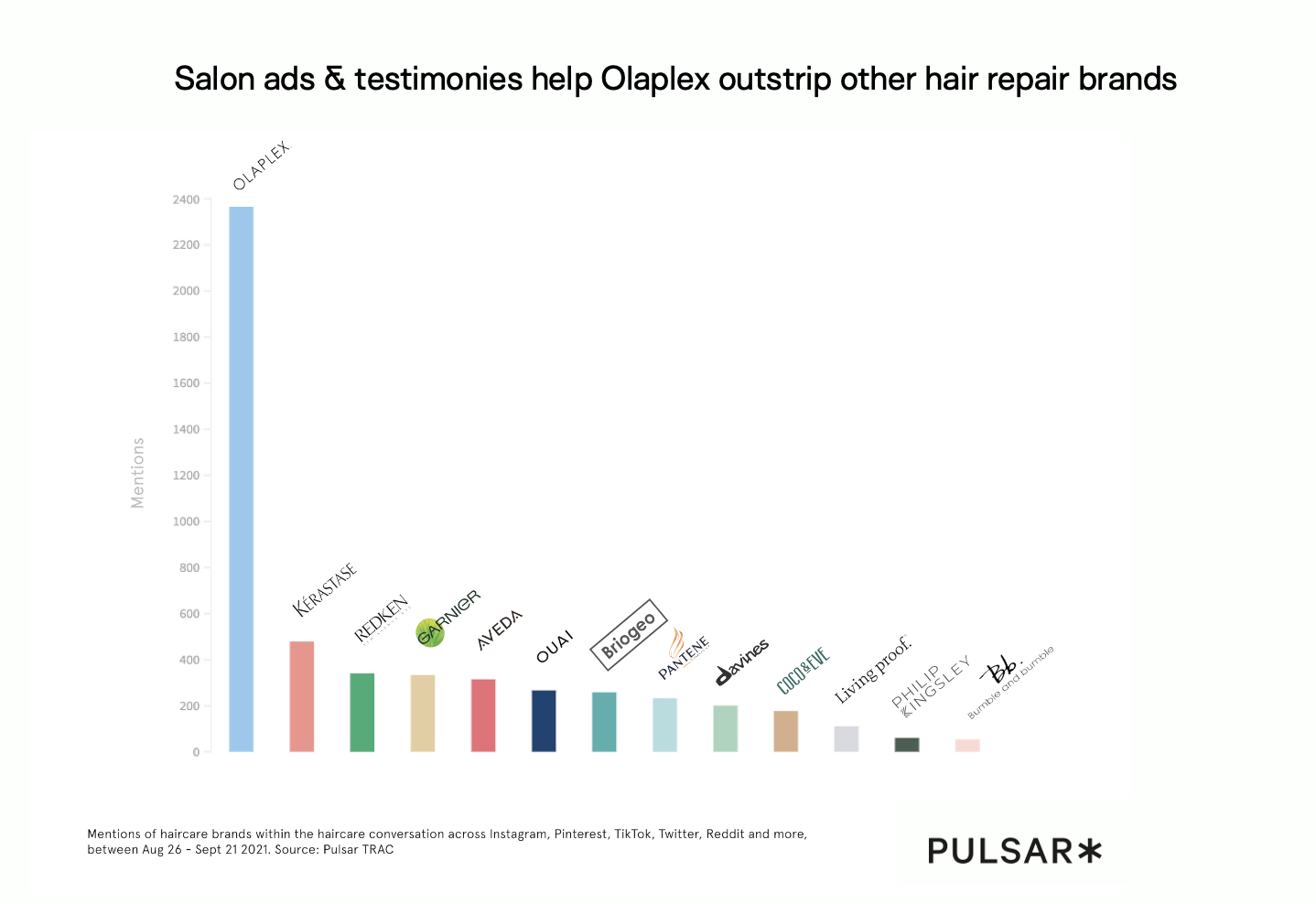
The data also revealed an important audience insight: while women dominate the volume of the conversation, they are only double the number of men. This indicates a massive, growing interest in the male self-care space that is often overlooked by traditional gender-targeted marketing.
Similarly, Pulsar client Sign Salad used Pulsar to explore the semiotics of hygiene. The narrative shifted from a negative view of "masking odor" to a positive, health-centric view of "allowing bodily function." Read more in Sign Salad’s Pulsar case study. Brands like Wild and Megababe have successfully used this insight to destigmatize sweat, focusing on skin health and environmental sustainability.
This pattern illustrates how social listening helps beauty brands detect when scientific language and skincare narratives migrate across categories, revealing new audiences and unmet needs. By tracking how concepts like barrier health, treatment, and care are reinterpreted in haircare and hygiene, brands can expand relevance, challenge outdated gender assumptions, and innovate in adjacent spaces before these shifts become mainstream.
Tracking Technology and AI in the Beauty Industry
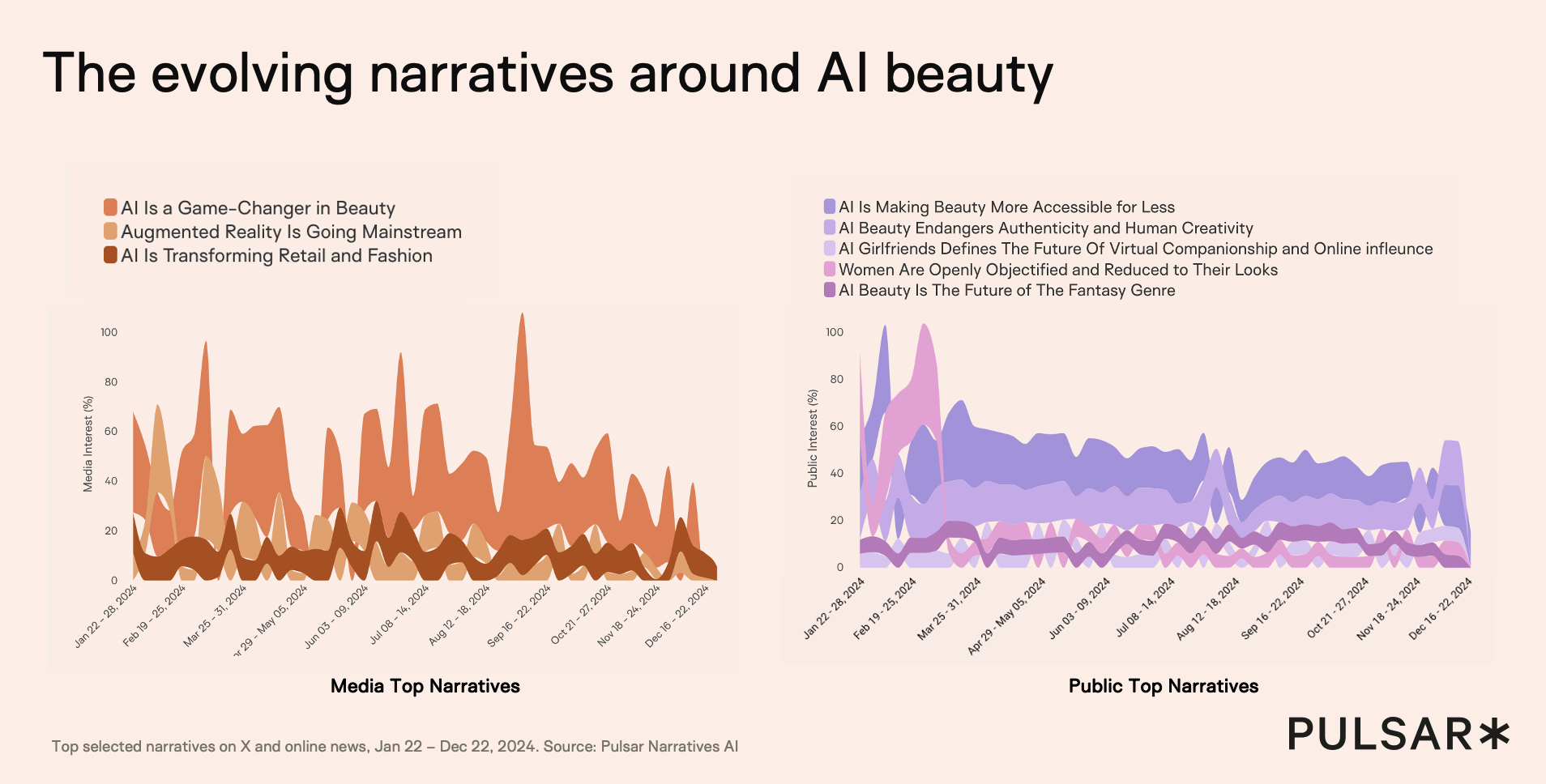
Technology is no longer just a backend tool; it is a front-facing consumer expectation. In our report, Beauty in an AI Age, we contrasted the media narrative with the public narrative. While the industry focuses on business efficiency and virtual try-ons, the public is increasingly concerned with the ethical implications of AI, such as the reinforcement of unrealistic beauty standards and the need for affordability.
Social listening also tracks niche crossover trends, as seen in our Fridges Report. This trend shows how "shelfies" (aesthetic photos of skincare products) have evolved into "fridge tours," where consumers use dedicated appliances to store serums and face rollers.
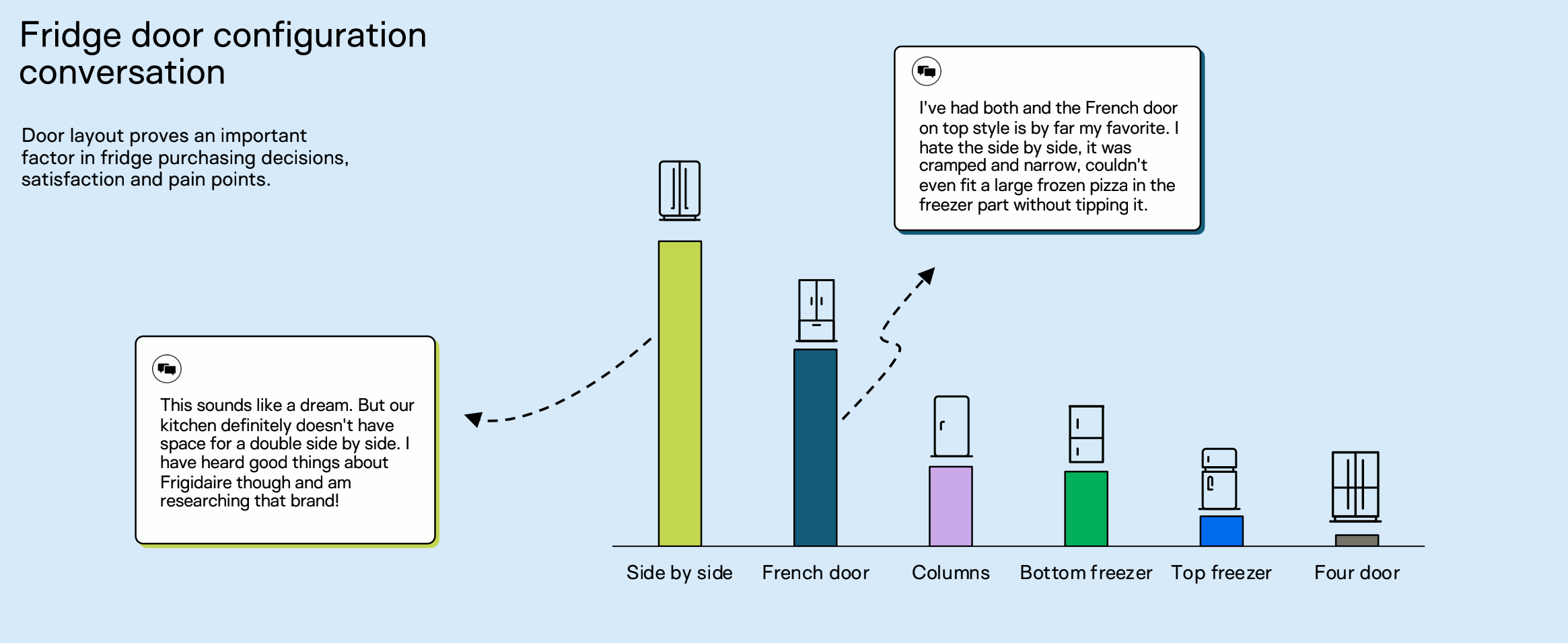
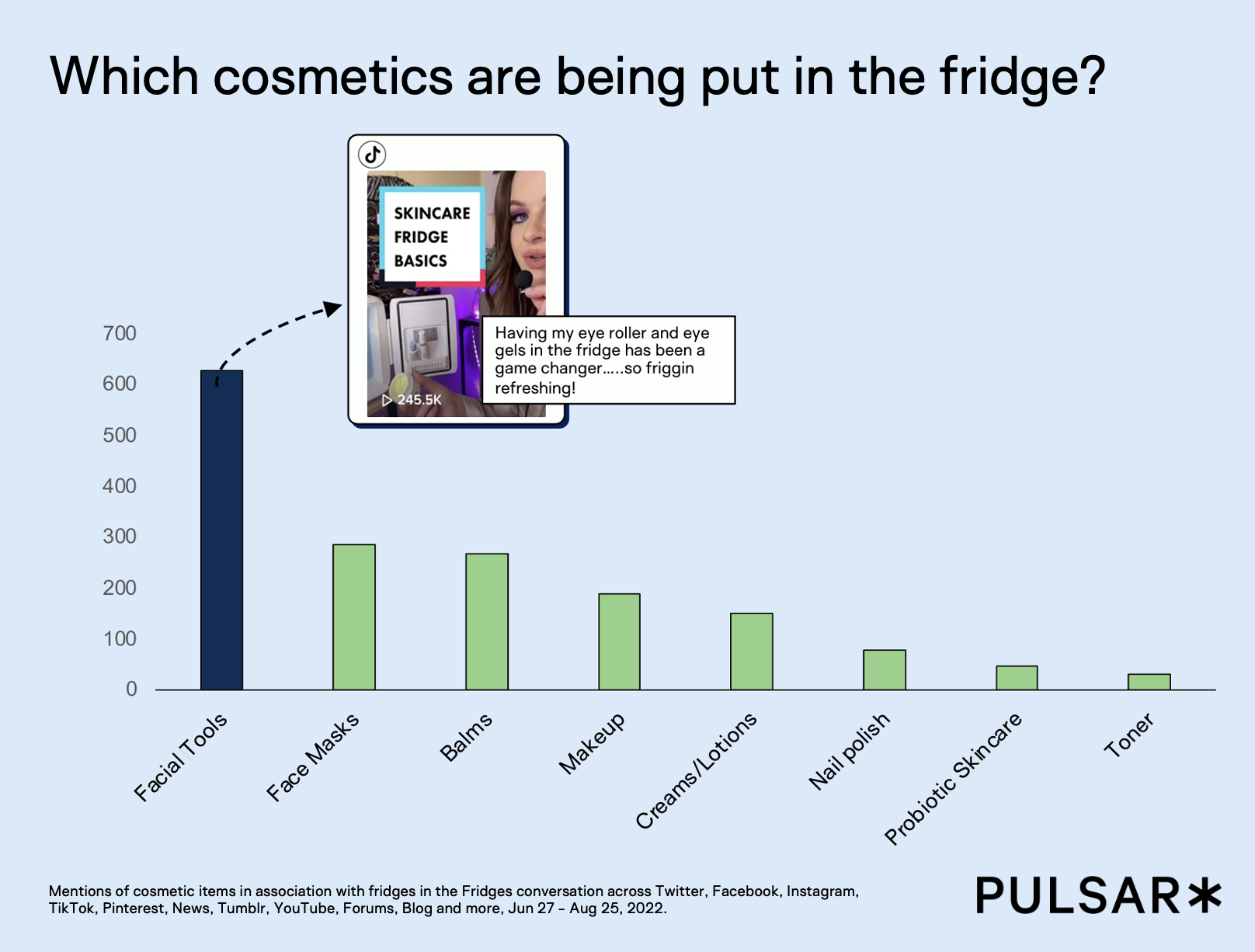
This identifies opportunities for beauty brands to partner with appliance manufacturers or to design packaging that is optimized for cold storage, demonstrating how listening can surface cross-industry opportunities.
Together, these examples show how social listening enables beauty brands to navigate technological change through an audience-first lens. By distinguishing between industry hype and public concern, and by tracking unexpected crossover behaviours, brands can adopt new technologies in ways that align with consumer values, anticipate ethical risks, and uncover adjacent innovation opportunities beyond the beauty category itself.
Ingredient Intelligence and Education
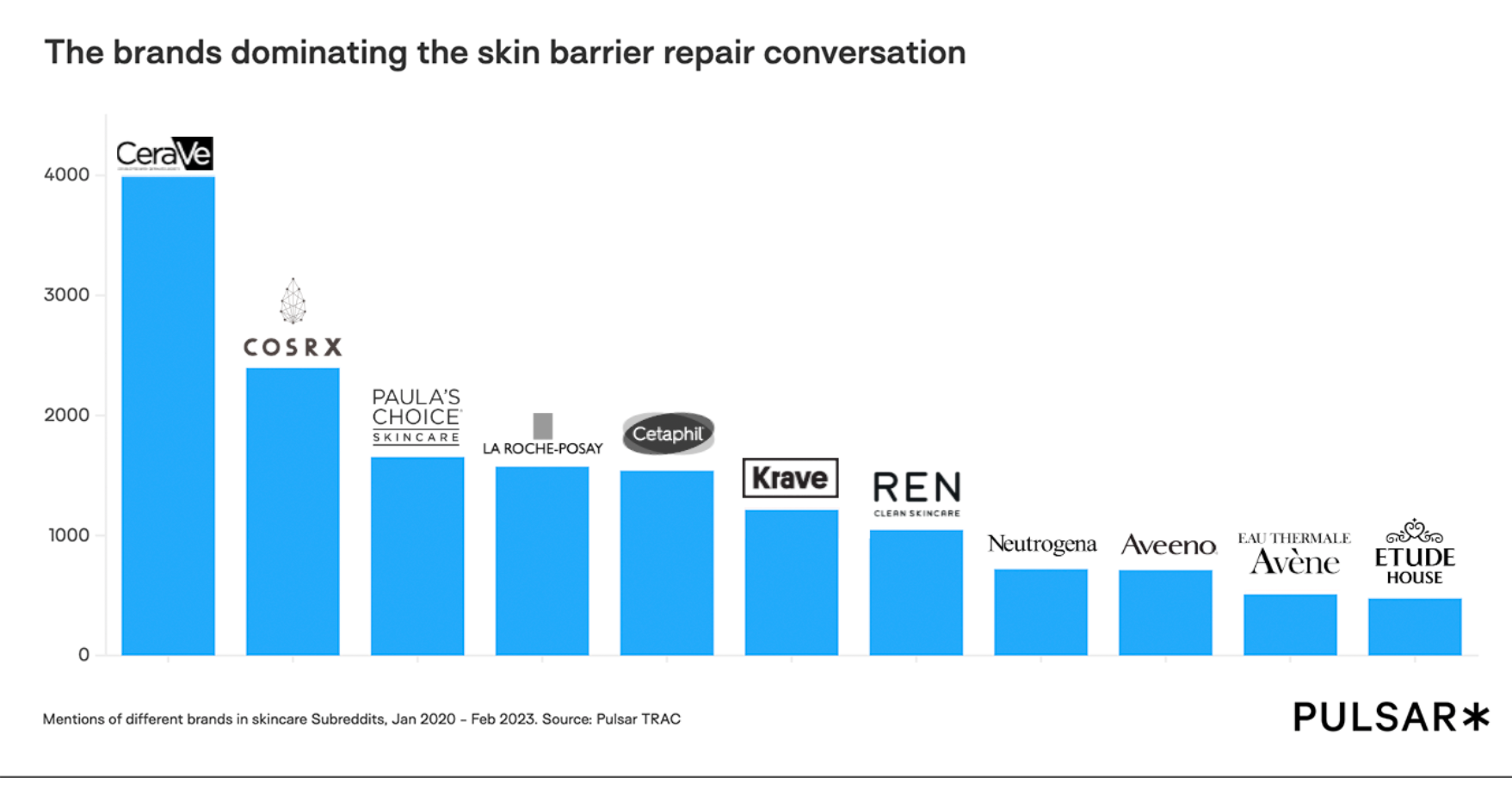
Consumers are increasingly educating themselves on ingredients, often trusting "skinfluencers" over traditional ads. In our research into audience conversation around the skin barrier, we tracked the rise of "barrier repair" conversations. This movement represented a shift away from harsh acids and toward healing ingredients like ceramides, snail mucin, and the "slugging" trend (applying occlusives like Vaseline over moisturizer).
Similarly, our Sunscreen Report details the shift of SPF from a seasonal "tanning" product to a daily "skincare essential." The analysis highlights how regional needs differ: in diverse markets, "white cast" is a primary concern, while in Western markets, the focus is on "anti-aging." By monitoring these localized concerns, brands can tailor their formulations and marketing to specific regional requirements, ensuring relevance across global markets.
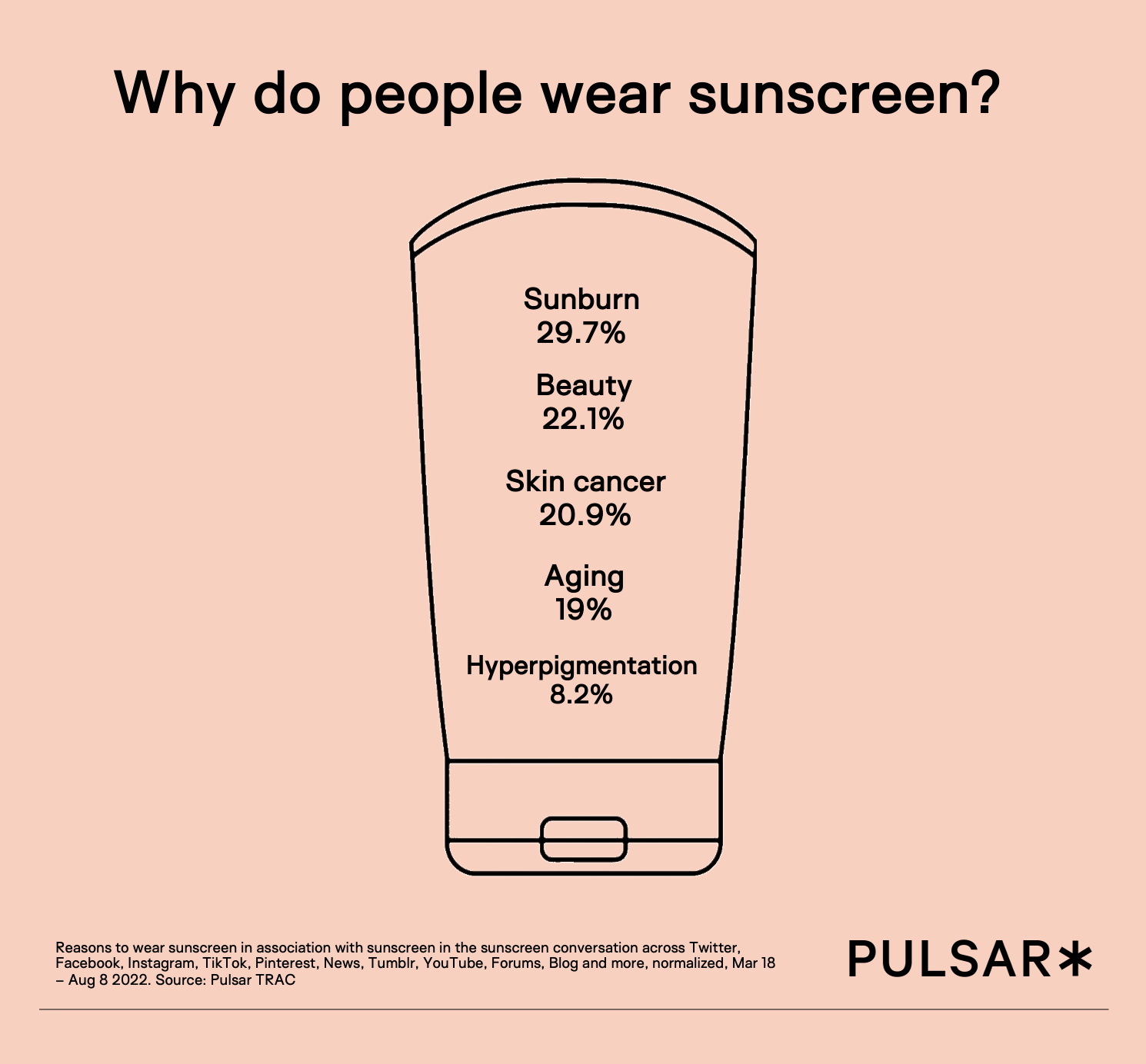
This illustrates how social listening helps beauty brands track shifts in ingredient literacy and evolving definitions of efficacy. By monitoring how audiences discuss barrier health, SPF, and formulation concerns across regions, brands can respond with more credible education, locally relevant products, and messaging that reflects real consumer priorities rather than generic claims.
Reputation and Crisis Management
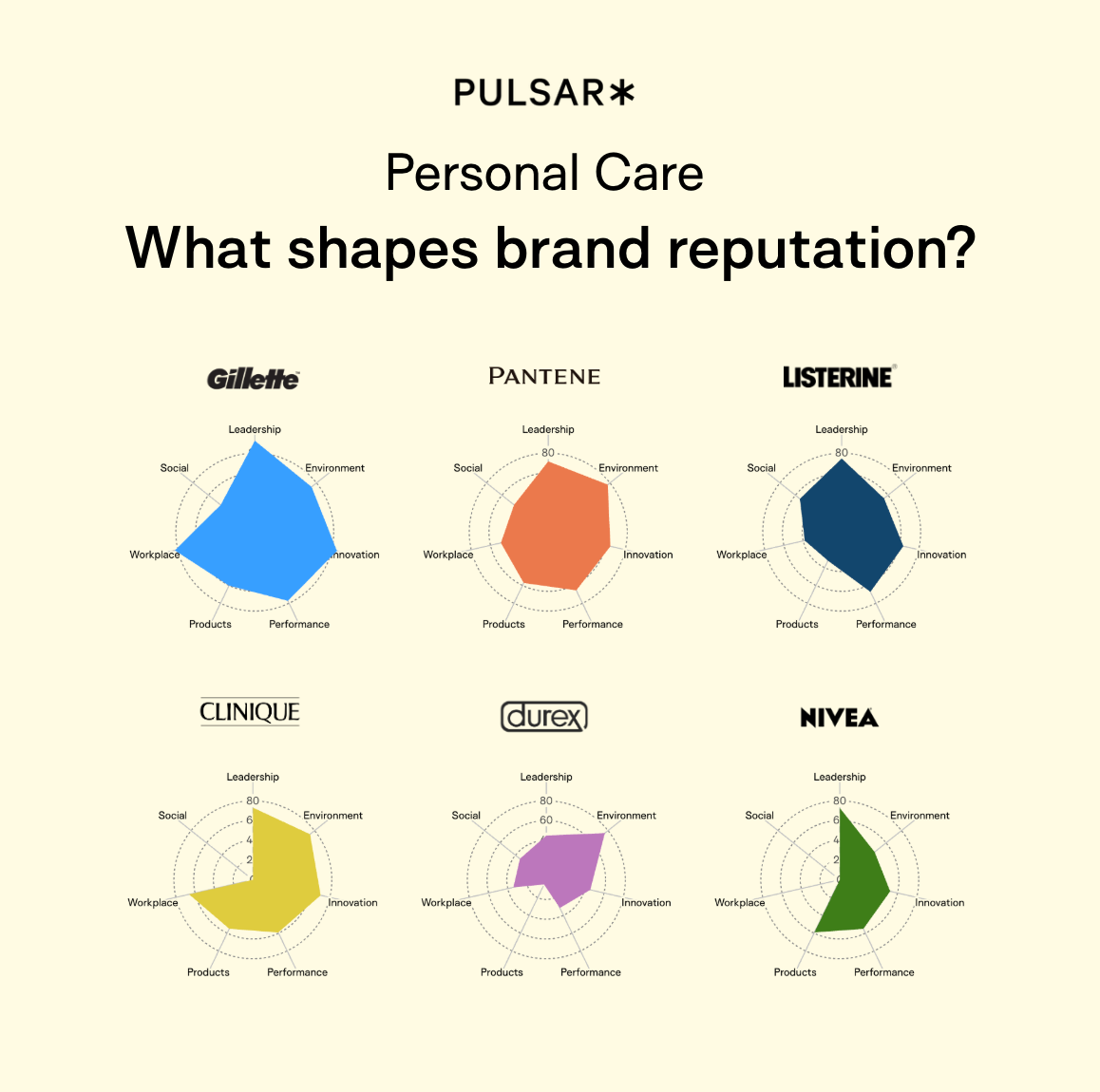
For corporate entities, social listening is a vital tool for benchmarking brand health. In our Reputation Intelligence for Personal Care Brands Report, we benchmarked major players like Pantene, Gillette, Nivea, and Clinique. The analysis distinguishes between reputation drivers: for example, Gillette benefits from "cultural influence" and nostalgia, while Nivea faced reputational risks regarding workplace issues in specific regions.
This illustrates how social listening helps beauty brands track shifts in ingredient literacy and evolving definitions of efficacy. By monitoring how audiences discuss barrier health, SPF, and formulation concerns across regions, brands can respond with more credible education, locally relevant products, and messaging that reflects real consumer priorities rather than generic claims.
Reputation and Crisis Management
For corporate entities, social listening is a vital tool for benchmarking brand health. In our Reputation Intelligence for Personal Care Brands Report, we benchmarked major players like Pantene, Gillette, Nivea, and Clinique. The analysis distinguishes between reputation drivers: for example, Gillette benefits from "cultural influence" and nostalgia, while Nivea faced reputational risks regarding workplace issues in specific regions.
CHART
This level of intelligence allows brands to differentiate between a localized "news storm" and a fundamental "narrative shift" that could impact long-term trust. By monitoring these indices, brands can intervene early, using data-driven insights to address specific community concerns before they escalate into a broader crisis.
This demonstrates how social listening enables beauty and personal care brands to move beyond surface-level sentiment tracking toward narrative-based reputation management. By distinguishing temporary media spikes from deeper trust erosion within specific communities, brands can respond proportionately, protect long-term brand equity, and intervene early before localised issues escalate into systemic reputational risk.
Strategic Framework: From Data to Decision
To effectively harness social data, Pulsar utilizes the Listen → Map → Activate framework, which provides a structured approach to transforming raw signals into business value.16
Listen: Identifying the Signals
The first stage involves establishing a robust infrastructure to capture the unfiltered voice of the beauty consumer. This goes beyond branded hashtags to include broader industry terms, competitor strategies, and cultural conversations.
- Platform Diversity: Monitoring must include visual platforms (TikTok, Instagram), long-form review spaces (YouTube, blogs), and community forums (Reddit).
- Keyword Nuance: Tracking not just the brand name, but specific "hero ingredients," "aesthetic trends" (e.g., "clean girl"), and "unmet needs" (e.g., "SPF for oily skin").
- Visual Data: Analyzing images and videos to identify how products are used in real-life routines, such as "get ready with me" (GRWM) videos.
Map: Structuring Narratives and Audiences
The second stage involves synthesizing the data into meaningful narratives and community clusters. This moves from "what" is being said to "who" is saying it and "why".
- Audience Segmentation: Using Pulsar TRAC to group users into communities based on behavior and interest, such as "Ingredient Minimalists," "K-Beauty Enthusiasts," or "Budget-Conscious Parents".
- Narrative Detection: Utilizing Pulsar Narratives to identify collective beliefs. For example, is the "slugging" trend being discussed as a "hydration miracle" or as a "risk for acne"?.
- Sentiment Analysis: Moving beyond "positive vs. negative" to understand complex emotions like "joy," "vulnerability," or "skepticism".
Activate: Driving Organizational Change
The final stage translates these insights into actionable decisions across various departments.
- Marketing & Comms: Adjusting campaign messaging to align with the dominant cultural narrative (e.g., shifting from "masking odor" to "bodily health" in deodorant marketing).
- Product Innovation: Filling "white spaces" identified in community discourse, such as the need for sustainable, non-single-use skincare applicators.
- Influencer Strategy: Identifying partners who have high "narrative influence" within specific communities, rather than just high follower counts.
- Customer Experience (CX): Addressing common pain points in delivery or product performance identified through social feedback to reduce churn.
Audience Discovery as Competitive Advantage
The true differentiator for modern beauty brands is the ability to move beyond traditional demographics. Age, gender, and income are no longer reliable predictors of beauty behavior. Instead, brands must focus on "attitudinal segmentation".
Audience discovery allows a brand to find its customers in surprising, less crowded places. For instance, a luxury fragrance brand might find a highly engaged community of "scent-stackers" on niche fragrance forums that would be missed by traditional broad-spectrum targeting. By mapping these specific interest-based communities, brands can create hyper-personalized experiences that foster deep loyalty.
As noted by Pulsar founder Francesco D’Orazio, "Pulsar is an audience and narrative intelligence company, which means that we try and understand where the audience is at in relation to a brand, a topic, a product or something that is happening in society". This philosophy emphasizes that the audience should be at the core of every organizational decision.
Conclusion & Next Steps
Social listening for beauty is not a passive activity but a proactive strategic imperative. By understanding the shifting narratives—from "concealing" to "decorating" and from "anti-aging" to "skin health"—brands can stay ahead of the cultural curve. The integration of audience and narrative intelligence allows brands to move with the speed of social commerce while maintaining the trust and efficacy that defines the industry's leaders.
Key Takeaways
- Reframing Narratives: Use social listening to identify when a traditional "problem" can be reframed as a "positive aesthetic" (e.g., Acne Positivity).
- The Smart-Value Driver: Recognize that "dupe" hunting is a form of social status driven by "smart" terminology and savvy shopping behaviors.
- Cross-Category Skinification: Monitor how skincare language is colonizing haircare, body care, and hygiene categories to find new product opportunities.
- Regional SPF/Ingredient Needs: Use listening to localize formulations based on specific regional concerns like "white cast" or "barrier damage."
- Operationalizing Intelligence: Adopt the Listen → Map → Activate framework to ensure social data informs everything from R&D to real-time campaign optimization.
To begin uncovering the narratives and communities shaping your brand's future, explore the capabilities of Pulsar TRAC for audience discovery and Pulsar Narratives for real-time narrative mapping. Reach out to the Pulsar team for a demonstration of how these tools can be tailored to your specific beauty sub-sectors.
To stay up to date with our latest insights and releases, sign up to our newsletter below: