Breakthroughs in the world of breakouts: how Starface turned pimple patches into pop culture
- Beauty

A giant spot the night before prom?! My life is ruined!
The cultural trope of suddenly getting a big pimple at a socially critical moment has long symbolised teenage disaster. But gone are the days of Regina George having a freak out over a breakout - for Gen Z, acne is no longer the social downfall it once was.
Enter Starface, the skincare brand founded in 2019 that transformed pimple patches from discreet, skin-coloured dots into bright yellow stars. Its signature product, the Hydro-Stars, are small hydrocolloid stickers that treat spots whilst also drawing attention to them. Other colours and limited-edition shapes followed, making them feel less like a treatment and more like a collectible.
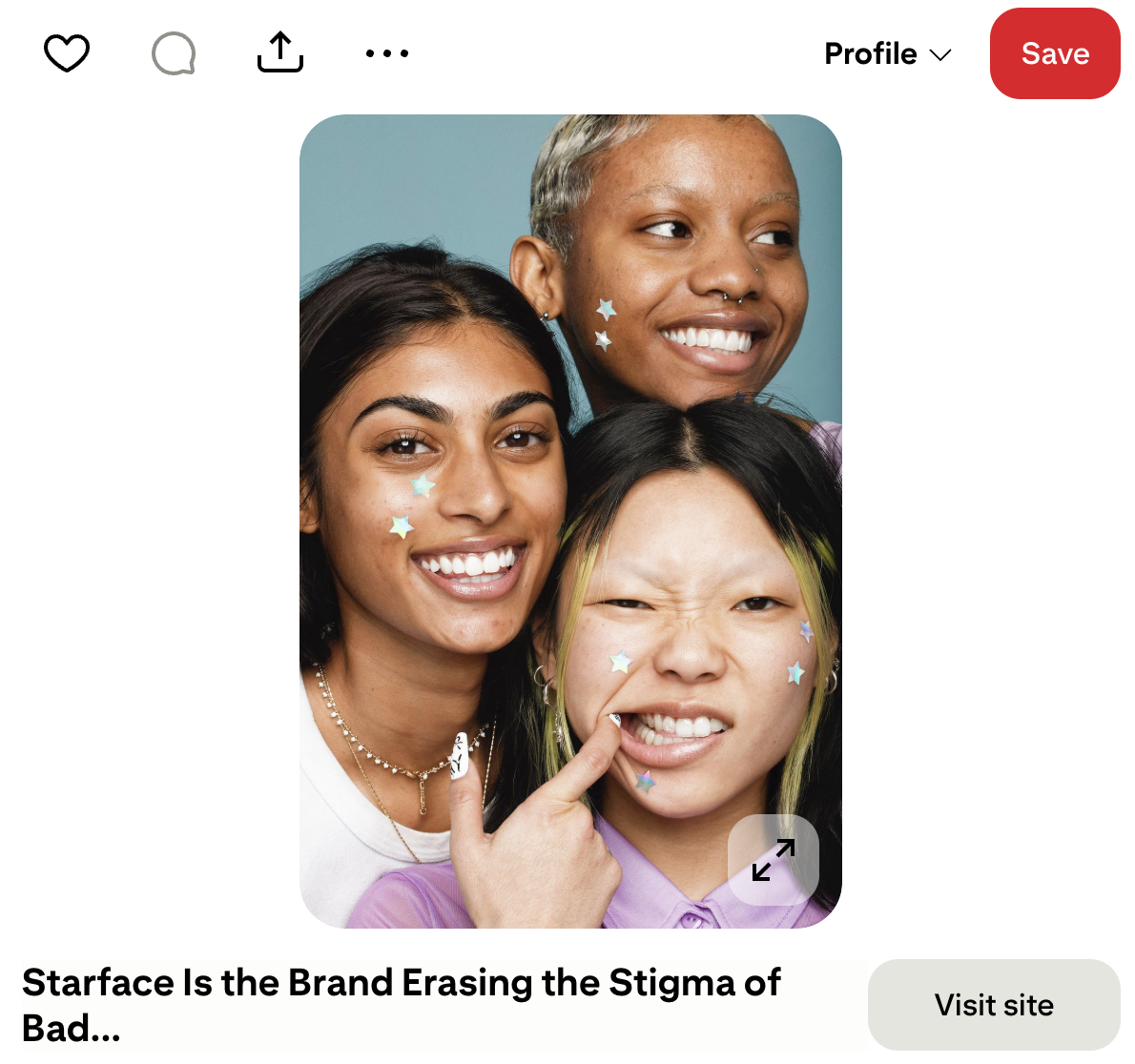
Pimple patches themselves aren’t new. Made from hydrocolloid (a material originally used for wound healing), they work by absorbing fluid, flattening pimples faster, preventing picking and shielding skin from bacteria. What was once a purely functional tool has now become a fashion-cultural object.
Enjoying reading about the pimple patch and Starface trend? Check out our insights into the Top 5 Beauty Trends on Social Media 2026.
The category has expanded rapidly, with alternative players joining the market, but no brand has leaned into the "cute-ification" of skincare quite like Starface. Its visual identity is pure Gen Z: bold colour palettes, emoji-like iconography, and meme-driven social content. Collaborations with Hello Kitty and SpongeBob turned pimple patches into playful, photogenic accessories, while appearances on celebrities like Justin Bieber and Bella Hadid cemented their place in the cultural mainstream.
But is Starface still the star of the show? Using Pulsar TRAC, we analysed how audiences talk about pimple patches and acne online. The data reveals not just a shift in skincare, but in broader culture: from stigma to statement accessory, from an individual breakout product to a collective category.
gen z is objectively right to wear pimple patches out in public. why slather a skin condition with skin-clogging makeup just to conceal its existence from others, when you could slap on a cute medicated bandage that actually treats it? why should skincare always be invisibilized?
— fangmeli (@pangmeli) September 1, 2025
Conversation around pimple patches has been steadily rising on X, in forums and on blogs since April 2024. This conversation contains discussions on the efficacy of patches, concerns about being seen wearing them (especially for anyone non-Gen Z), which brands are superior, how to use them correctly, memes and in-jokes and much more. Acne, by contrast, jumps up and down with viral spikes powered by influencers posting about their skin journey, trending skincare hacks, product breakthroughs, TV shows, barefaced footballers and more.
We can see that pimple patches have broken free from the volatility of acne discourse. Their growth is sustained, less tied to fleeting virality, and more about long-term adoption. That tells us this isn’t just a passing skincare fad but a category embedding itself in everyday routines. It’s also evidence of a growing audience, one that is shifting acne and pimple discourse away from medicalization, shame and the need to be ‘cured’.
@mkp.julianna my little collection 🥲 #starface #pimplepatch #pimplepatches #hellokitty #hellokittyxstarface #badtzmaru #keroppi #keroppixstarface #hydrostars #starfacepimplepatches #makeupcollection #starfacecollection ♬ Hahahaha again - ليا
It’s in this arena that Starface propelled the trend. For Gen Z, pimple stickers have functioned almost as a badge - not just a way to cover blemishes, but a way to signal an effortlessly cool blasé attitude that is playful, collectible and colourful in the face of their spots.
While conversation around pimple patches continues to rise, Starface’s share of that conversation is declining. On the surface, this looks like a problem for the brand. But in reality, it reflects the deeper success of Starface’s strategy. The brand’s aim to normalise acne patches - putting them on the faces of influencers and celebs, landing collabs with SpongeBob or Hello Kitty, and getting visible skincare normalised - has worked. They’ve helped turn the pimple patch into a mainstream cultural object, which was never a given for a product that acts against many established skincare norms.
@mycorneroftheuniverse ive tried every single pimple patch and these are the ones that are worth it. #pimplepatchreview #bestpimplepatches #acnepatches #whichpimplepatchestobuy #whichpimplepatchesworkbest #acneskincare #skincareforacne #herocosmetics #cosrx #mightypatch #peaceoutacne ♬ original sound - Kaitlyn | Beauty & Style ✨
Starface has propelled a category into existence that it now risks being lost in. As the stigma lifted, other players rushed in: Hero Cosmetics’ Mighty Patch, Peace Out, ZitSticka, and a flood of lower-cost dupes now compete for attention. Some lean clinical, some lean discreet, some promise superior results. Together, they dilute Starface’s dominance.
This is the challenge of being the first mover in culture. Brands that invent categories rarely get to keep them entirely. Starface’s playbook worked, but now it has to evolve to retain leadership in a market it helped to create.
The pimple patch conversation varies greatly across platforms. On platforms that focus on image sharing like Pinterest and Instagram, we see aesthetic images shared of either Starface/pimple patch use, celebrities wearing the patches or collections of the stickers. On TikTok and Instagram Reels, we see an abundance of skincare professionals talking about pimple patches, as well as celebrity news, people home-testing patches, and concocting GRWM looks using the stickers.
When we dive deeper into the data, we see that the prevalence of Stafrace within the pimple patch conversation is different across different platforms. On X, Starface takes up a lot less of the conversation than it does on niche forums and blogs. Here, conversations move at the speed of memes and news cycles. These are quick, punchy posts on a platform that algorithmically rewards wit, scandal and brevity rather than brand loyalty. In that kind of environment, the pimple patch exists more as a cultural archetype than as a Starface-specific product.
By contrast, forums and blogs tell a very different story. In slower-burn, community-driven spaces or personal beauty blogs, Starface commands a much higher percentage of the conversation. Here, users are not just riffing on trends but sharing detailed product reviews, tracking realistic long-term results, and posting collab drops that matter to fans. The time invested in these spaces creates an environment where specific brands become central to the discussion - and Starface is showing the signs of major success in embedding itself where it matters most: a core, loyal audience. While Starface may be less visible in the noisy churn of fast-take platforms, it still enjoys deep cultural stickiness in the places where skincare communities build trust, exchange advice, and - mostly importantly - cultivate fandom.
djed wearing starface pimple patches and matching them with the kit is actually the cutest thing ever 😭🥹 pic.twitter.com/LIcSmeE2uk
— kayla ⁷ (@k_son7) January 12, 2025
Pimple patches have broken into the mainstream. They are no longer a niche K-beauty hack, but a global category. They protect and heal as other acne products have done before, but unlike any other form of skincare, they’ve become a cultural accessory that flips the narrative of acne from something to conceal into something to playfully highlight.
Enjoying reading about the pimple patch and Starface trend? Check out our insights into the Top 5 Beauty Trends on Social Media 2026.
Starface remains the brand most associated with this glow-up, but the very success of its strategy has created an environment in which its presence is diffused. By breaking down the stigma and making pimple patches fashionable, Starface helped set the stage for competitors to thrive. The brand must now decide how it evolves: doubling down on collabs, moving further into skincare, or finding new cultural entry points beyond the yellow star.
dude zoomers use those hyper visible starface patches, it's a whole new world for zit awareness
— atomic bog (@jessicapancakes.bsky.social) 10 December 2024 at 22:43
For other brands, the lesson is clear: stigma-busting, visibility, and playfulness work - flipping a well-worn narrative on its head can garner mammoth attention. But brands need to keep in minad that cultural leadership only lasts if you stay tuned into the platforms where audiences are rewriting the rules of beauty.
Tools like Pulsar can leverage social listening and narrative intelligence to enhance your brand in ways that can give a critical edge over competitors - and maybe even create a whole new category of your own.
Check out our insights into the Top 5 Beauty Trends on Social Media 2026.
Interested in hearing more from Pulsar? To stay up to date with our latest insights and releases, sign up to our newsletter below:
This article was created using data from TRAC