Social Listening for Understanding Retail Buying Habits
Social listening for understanding buying habits helps retail brands uncover why people buy, hesitate, switch, or opt out. By analysing real-time audience conversations across social media, forums, search behaviour, and digital media, it reveals the psychological, cultural, and economic signals shaping purchasing decisions across the retail journey.
Unlike traditional retail market research—often based on surveys, lagging sales data, or static demographics—social listening captures live consumer behaviour in context. When combined with Audience Intelligence, which maps distinct community clusters, and Narrative Intelligence, which identifies the stories shaping trust and value, brands can move beyond tracking mentions to understanding the motivations and trade-offs driving conversion or churn.
This use case is increasingly critical for retail brands operating in a state of permanent disruption. Buying habits are now shaped less by brand authority and more by affordability pressure, subcultural alignment, and decentralised trust in creators and communities—signals that only social listening can surface at scale.
Key insights
- The purchasing funnel has undergone a significant "flattening" effect, with Deloitte finding 71% of consumers reporting that their most recent experience buying a product directly on a social media platform in 2025 was good or excellent, signaling a shift toward seamless social commerce.
- Price has emerged as the single most dominant factor driving consumer action, often superseding perceived product quality as the primary motivator for subscription cancellations and brand switching.
- Trust is now decentralized; Deloitte says 83% of consumers view the influencers or creators they follow as their most reliable sources of information, leading to a landscape where community validation carries more weight than institutional marketing.
- A "Compromise Economy" is emerging where consumers accept delayed efficacy or higher prices in exchange for perceived naturalness or health benefits, as seen in the evolution of the natural deodorant market.
- Buying habits are frequently a form of cultural signaling; for example, the adoption of technology like AirPods was driven more by meme culture and status signaling than by technical audio specifications.
Why this matters to retail brands now
The urgency of social listening for buying habits is driven by a state of "permanent disruption" where the habits formed during the COVID-19 era—such as remote work and heavy digital connectivity—have become permanent fixtures of the consumer landscape. As we enter 2026, consumers are navigating a complex economic environment where global inflation remains a significant psychological barrier to impulsive spending. This has led to the rise of "Purposeful Purchasing," where Euromonitor finds 57% of consumers now conduct extensive research before making a decision, prioritizing long-term value, convenience, and functionality over the immediate dopamine hit of a purchase.
The traditional marketing funnel is also being challenged by a profound trust gap. Only a third of consumers feel confident in the data practices of large tech providers, and institutional trust is at an all-time low. Consequently, consumers are turning to their own digital tribes—communities of family, friends, and niche creators—to validate their buying choices. Social listening provides the only mechanism to "hear" these private-yet-public conversations and map the "Hierarchy of Needs" that determines which products are viewed as essential "lifelines" and which are discarded as "disposable" luxuries. Organizations that fail to monitor these narrative shifts risk being blindsided by sudden spikes in churn or the rapid emergence of competitor "dupes" that offer perceived savvy to price-conscious audiences.
Key retail use cases for analysing buying behaviour
The Shift to Frugality: "No-Buy" and the "Dupe" Economy
Buying habits in 2025 and 2026 are increasingly defined not by what people acquire, but by what they actively refuse to acquire. Pulsar TRAC used audience intelligence to identify a growing "No-Buy" movement, particularly among "Progressive Creative" communities on social media. These groups use digital platforms to hold one another accountable for reducing consumption, signaling a fundamental rejection of traditional influencer-driven consumerism. This is closely linked to "de-influencing," where content creators gain trust by advising audiences on which popular products are not worth the investment.

Simultaneously, the "Dupe" phenomenon has evolved from a shameful "knock-off" culture into a badge of financial savvy. In our Dupe report research, we found that consumers now actively hunt for affordable alternatives to luxury goods—and even premium dining experiences—as a way to question dominant capitalist social structures. Social listening allows brands to track how the definition of a "dupe" has shifted to become a source of pride, enabling marketers to either "dupe-proof" their identity through unique sensorial narratives or embrace the trend by creating their own "official" entry-level versions of hero products.
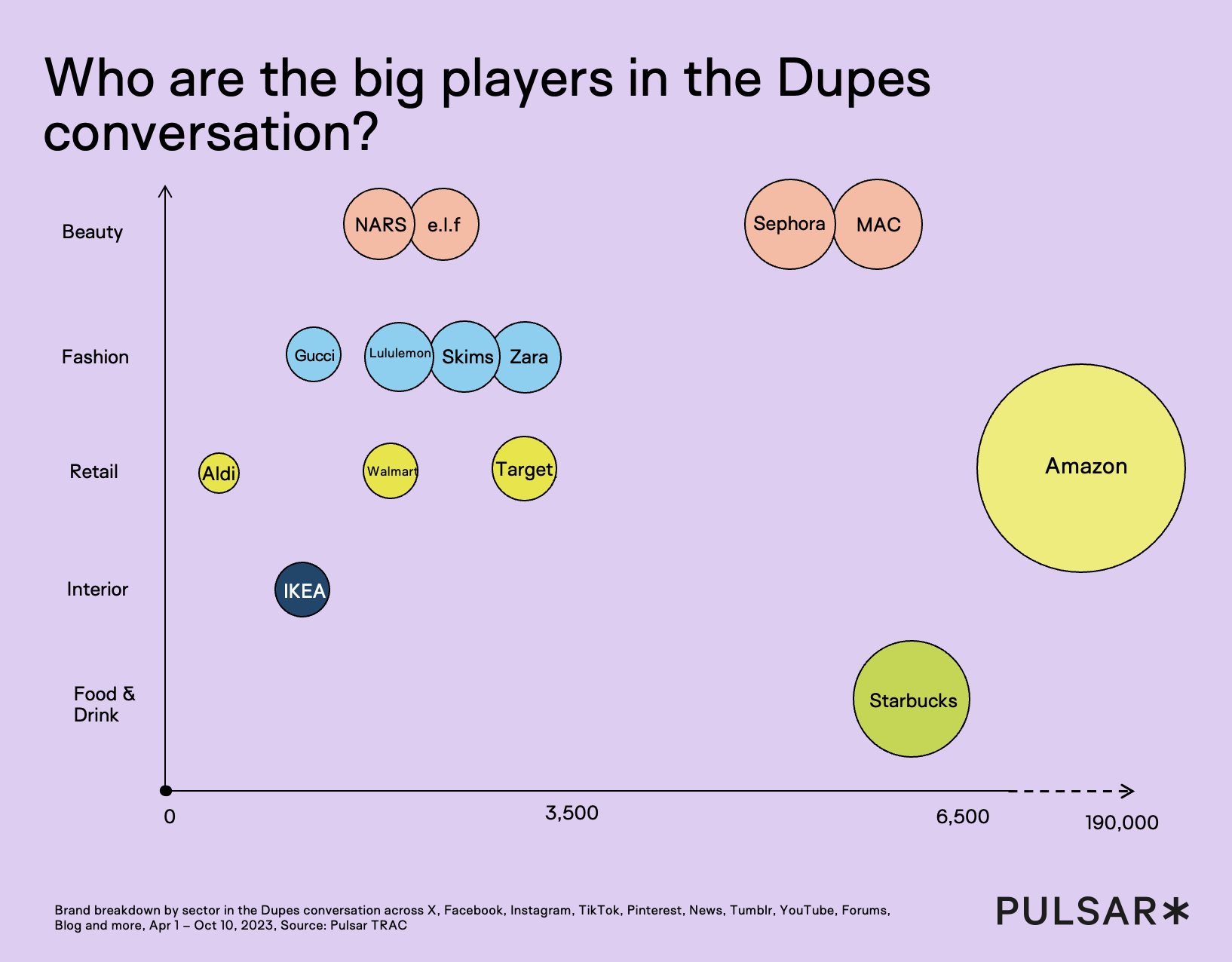
By analyzing the patterns of de-influencing and dupe-hunting, brands can identify early signals of market fatigue and adjust their pricing or positioning to maintain relevance within the "Compromise Economy".
The "Hierarchy of Needs": Subscription Cancellations and Affordability
As the cost-of-living crisis persists, consumers are re-evaluating their recurring expenses, leading to high churn rates, particularly among Millennials. Pulsar’s research into subscription cancellations reveals that "price" has overtaken "perceived value" as the primary driver for ending a service. In categories like video, music, food, and publications, consumers are no longer asking if a service is good; they are asking if they can afford it at all.
Interestingly, buying (and cancelling) habits are often driven by political affiliation rather than purely financial considerations. Data shows that "UK Progressives" may cancel Netflix as a form of protest, while "MSNBC Democrats" distribute their cancellations evenly across platforms based on perceived value-alignment. This identifies a critical pattern for marketers: retention strategies must now address "affordability" and "values" directly. Social listening helps brands identify which segments of their audience view their product as an essential "lifeline" versus a "disposable" treat, allowing for more personalized and empathetic retention campaigns that acknowledge the consumer's economic reality.
Cultural Context & Segmentation: The Salmon Case Study
One of the most profound applications of audience intelligence is the ability to move beyond generic demographics to understand the cultural motivations behind a purchase. Our deep dive into the audiences of Salmon illustrates that a single product can be purchased for entirely different reasons by different subcultures. "Urban Liberals" frequently discuss salmon as a healthy luxury or a treat, focusing on wellness and culinary sophistication. In contrast, "Gamers" discuss the exact same product almost exclusively through the lens of sashimi, driven by their deep affinity for Japanese culture and anime.
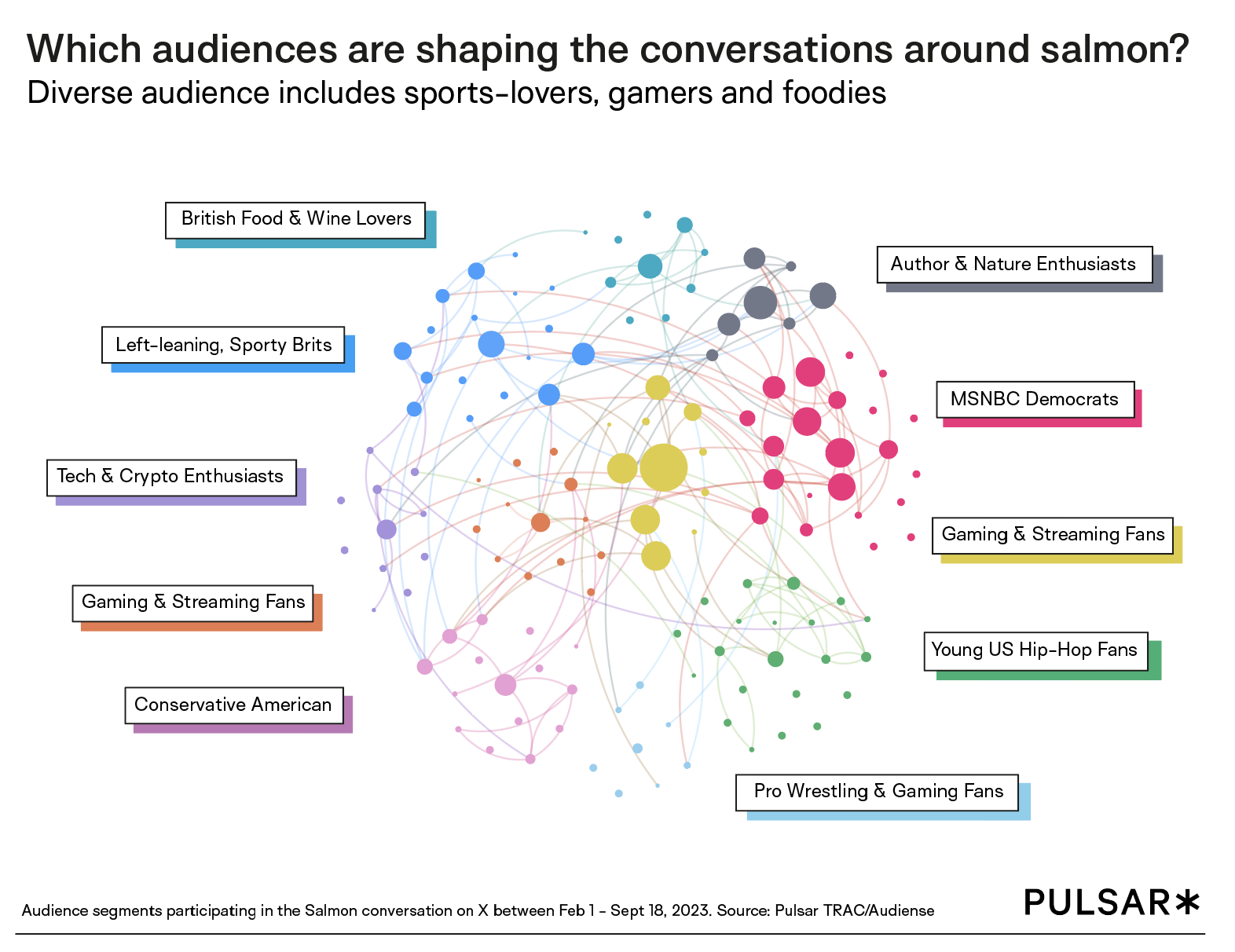
This demonstration proves that demographic labels like "men aged 18-35" are insufficient for predicting buying habits. Narrative intelligence reveals that the "why" is rooted in cultural narratives. For a brand, the practical takeaway is the necessity of "multi-narrative" marketing; a salmon producer might use visual cues of wellness for one segment while leveraging anime-adjacent aesthetics for another. By mapping these subcultural need-states, teams can act on insights to create more resonant content that speaks to the specific cultural iconographies of their target communities.
Financing as a Lifestyle: The Evolution of BNPL
We researched the narratives surrounding Buy Now, Pay Later (BNPL) services like Klarna and Afterpay has shifted dramatically from a tool for purchasing "luxuries" (fashion and tech) to a "lifeline" for essentials like groceries, utilities, and petrol. Social listening tracks this shift in consumer confidence, revealing a split in buying sentiment. "Fintech Enthusiasts" focus on the business efficiency and AI-driven optimizations of these platforms, while "Political Science Enthusiasts" view BNPL as a predatory source of "phantom debt" and a sign of economic desperation.

Retailers such as Amazon and Target are heavily implicated in these conversations, as the payment infrastructure itself has become a core part of the retail brand experience. Marketers must understand that the method of payment is now a cultural signal. Offering BNPL can either be a sign of "convenience" or "support" depending on the narrative landscape of the audience. By monitoring the "Political" and "Consumer" macro-conversations, brands can ensure their payment options align with their audience's financial values and economic realities.
Product Values & Semiotics: Natural Deodorant and the Ritual of Health
The natural deodorant category offers a fascinating look at how consumers are buying "narratives" rather than just functional solutions. Semiotic analysis shows a shift from "masking odor" (associated with shame and prevention) to "allowing bodily function" (associated with health, ritual, and naturalness). Modern consumers view natural deodorant as an "object of pride" to be displayed, rather than a hidden necessity.
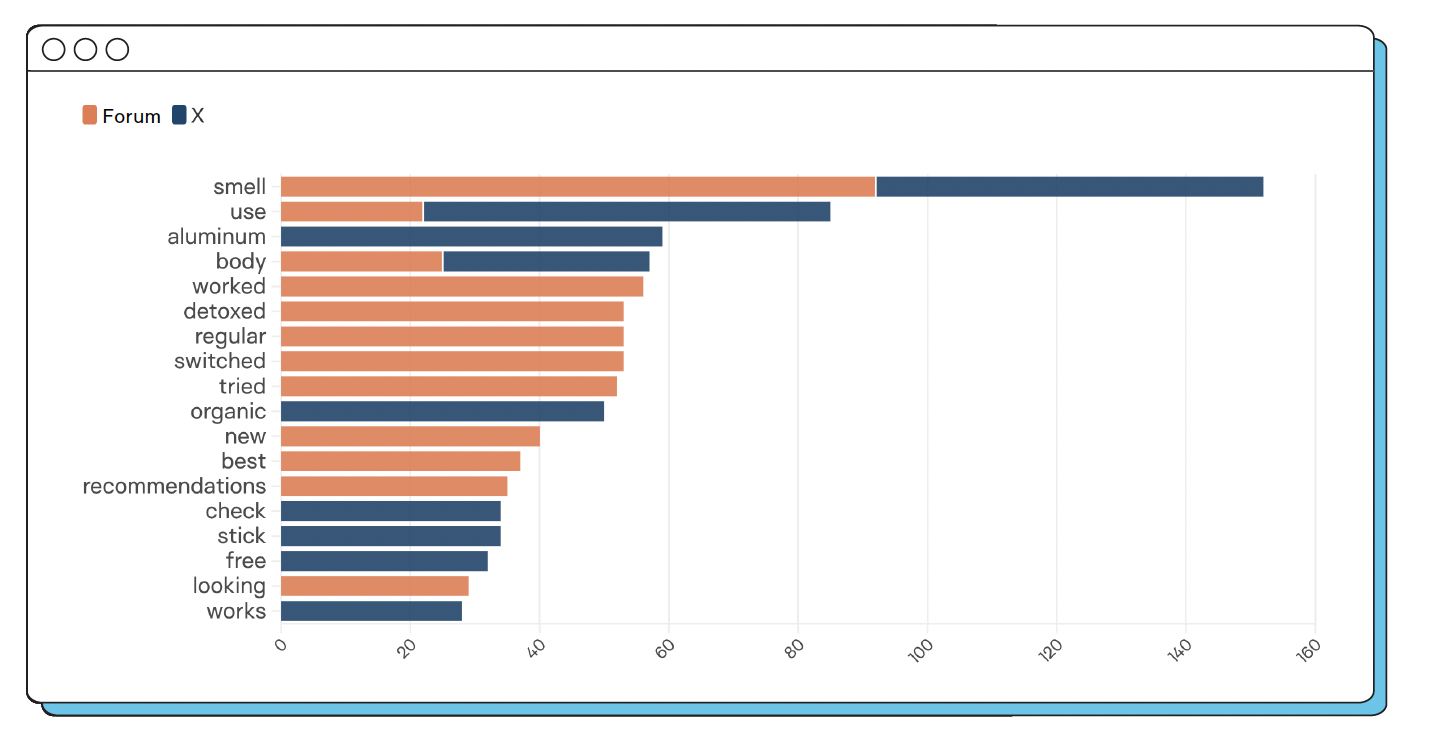
Platform behavior further dictates the purchasing funnel for these products. Instagram is primarily used for "salesy" discovery, characterized by words like "available," "summer," and "fresh." Forums, however, are where consumers go for deep-dive research into ingredients and efficacy, focusing on terms like "smell," "worked," and "detoxed". This insight allows brands to optimize their channel strategy: use Instagram for aesthetic signaling and ritualistic storytelling, while using forums to provide the transparent, evidence-based data that "informed shoppers" demand before they commit to a purchase.
Tech as a Status Symbol: AirPods and Meme-Driven Adoption
The adoption of AirPods exemplifies how hardware becomes a cultural icon through social signaling and memes rather than technical specifications. Purchasing habits were driven less by audio quality and more by the desire to join a specific "in-group". Cultural narratives like the "AirPod Shotty" meme helped cement the product’s status as a symbol of social relevance.
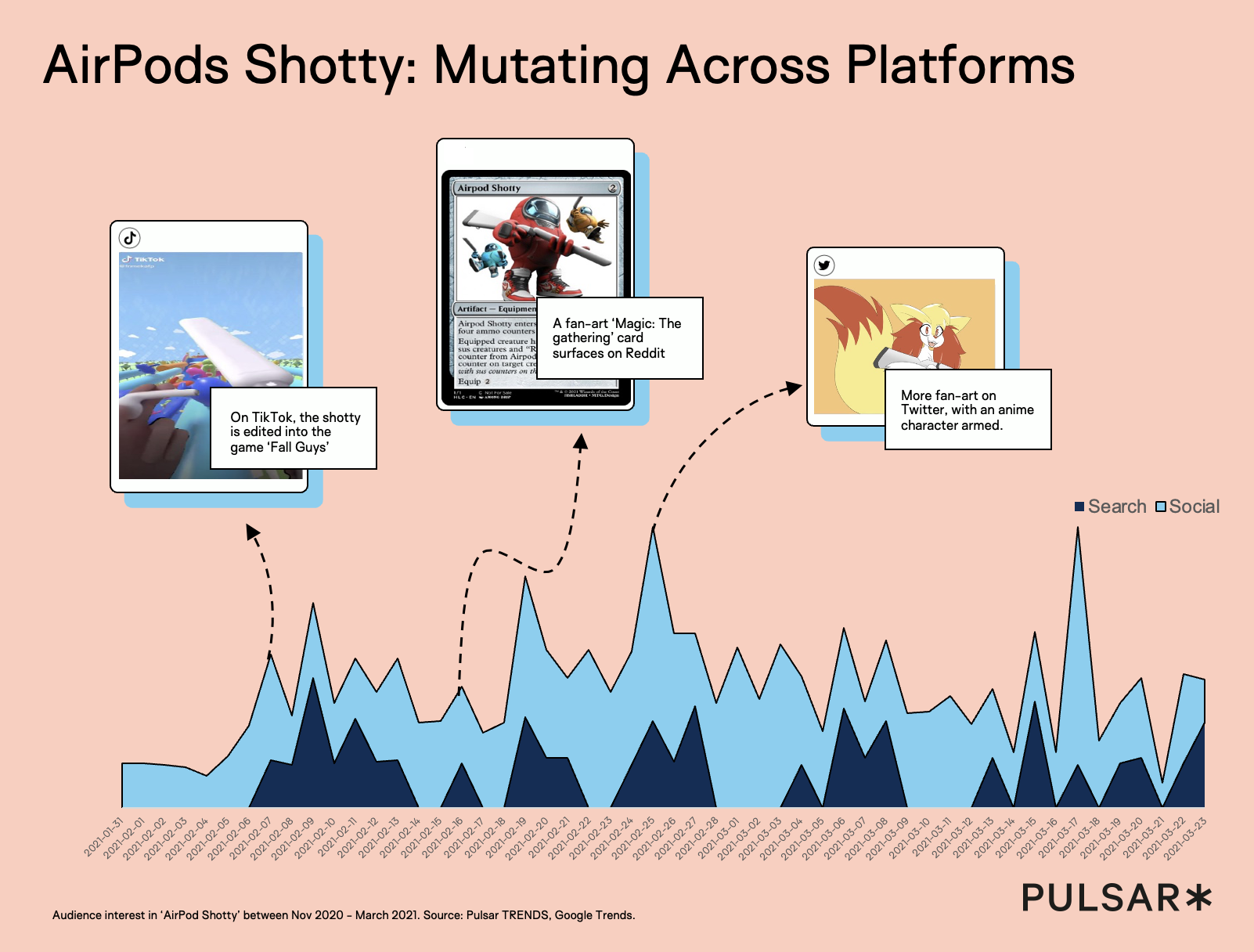
This demonstrates that for certain tech categories, the buying habit is an act of identity construction. Social listening allows brands to identify the "memetic" potential of their products. By tracking status icons and cultural references in niche communities—such as the Steam or GMOD communities—marketers can see how their products are being re-contextualized as status symbols. Understanding these patterns allows brands to lean into cultural relevance, ensuring their products are not just seen as tools, but as essential components of an audience's social identity.
Strategic framework: turning social listening insight into retail action
Turning social listening data into commercial impact requires a clear operational model. The Listen–Map–Activate framework provides retail brands with a structured way to translate audience signals into decisions that influence buying behaviour, retention, and product strategy.
Listen: identify signals shaping retail buying habits
Effective social listening goes beyond branded mentions to track category-level behaviour and risk signals.
- Track category narratives: Monitor shifts in how products are framed, such as movement from “luxury” to “lifeline” during periods of economic pressure.
- Spot early churn indicators: Identify spikes in de-influencing, cancellation, or price sensitivity conversations before sales decline.
- Understand platform language: Distinguish between discovery-driven language on visual platforms and research-led discussion on forums.
Map: understand audiences, narratives, and need states
Mapping reveals why buying decisions differ across communities.
- Audience clustering: Identify how distinct groups relate to the same product based on cultural affinity, not demographics alone.
- Narrative detection: Connect recurring signals to broader belief systems, such as frugality-as-signal in the dupe economy.
- Semiotic shifts: Track when products move from “functional necessity” to “object of pride,” reshaping willingness to pay.
Activate: apply insight to retail strategy
Mapped insights should directly inform commercial decisions.
- Product strategy: Adapt features or ranges to emerging need states, including affordability tiers or entry-level alternatives.
- Campaign optimisation: Align messaging with the cultural motivations of each audience segment.
- Retention design: Address affordability directly through pricing, bundles, or flexible plans without eroding brand equity.
Strategic perspectives for retail decision-makers
For retail brands, social listening shifts strategy from reactive to proactive by surfacing reassessment moments—when consumers publicly question price, value, or relevance—before churn or switching occurs. It also challenges demographic-led thinking, showing that buying behaviour is increasingly shaped by cultural worldviews and community narratives rather than age or gender alone.
At the same time, as AI-driven personalisation becomes embedded across retail and beauty, social listening helps brands navigate the growing tension between optimisation and trust, revealing when audiences see automation as helpful support versus intrusive surveillance. Together, these signals allow retail teams to align pricing, messaging, and technology choices with how consumers actually interpret value and intent in real time.
Turning social listening into advantage for retail buying habits
Social listening for understanding buying habits has become essential for retail brands navigating a consumer landscape shaped by decentralised trust, economic pressure, and subcultural complexity. As audiences move through “no-buy” periods, embrace the status of the dupe economy, and reassess subscriptions through political and affordability lenses, purchasing decisions are increasingly negotiated in public, community-driven spaces rather than private funnels.
By combining social listening with Audience Intelligence and Narrative Intelligence, retail teams can map how buying behaviour shifts across cultural contexts, platforms, and economic moments. This makes it possible to anticipate churn, identify emerging value thresholds, and understand when a product is perceived as an essential lifeline, a considered investment, or a disposable luxury. Rather than reacting to sales declines or post-purchase feedback, brands gain early visibility into how and why consumer priorities are changing.
The competitive advantage lies in alignment. Retail brands that act on audience-led insight can design products, pricing, messaging, and experiences that reflect not only functional need, but the cultural narratives consumers use to justify, signal, and share their purchasing choices. In an environment where buying habits are fluid and trust is earned socially, social listening becomes the bridge between consumer meaning and commercial decision-making.
- Trust the Tribe: Consumers prioritize creator recommendations over brand messaging; community is the new cornerstone of conversion.
- Affordability is Non-Negotiable: Price has become the primary driver of churn, requiring brands to pivot from "perceived value" to "direct affordability" in their retention strategies
- Subculture is the New Demographic: Products like salmon prove that cultural affinity is a more accurate predictor of buying habits than age or gender.
- Semiotics Drive Premiumization: Moving a product from "prevention" to "ritual" can transform it from a hidden necessity into an object of pride and display.
- Method of Payment is Brand: As BNPL moves from "luxury" to "lifeline," payment infrastructure becomes a critical touchpoint for retail brand trust.
To stay up to date with our latest insights and releases, sign up to our newsletter below: