3. Empowering Marketing Strategies: Trust, Insight, and Audience-Centric Approaches
Table of contents
With Mike White (Lively), Edd Atcheson (Adobe), Visha Kudhail (ex-Pinterest, Google)

What does it mean to truly put audiences at the heart of your marketing strategy? In a world grappling with data privacy shifts, crumbling third-party cookies, and changing digital behaviours, this question isn’t rhetorical - it’s imperative.
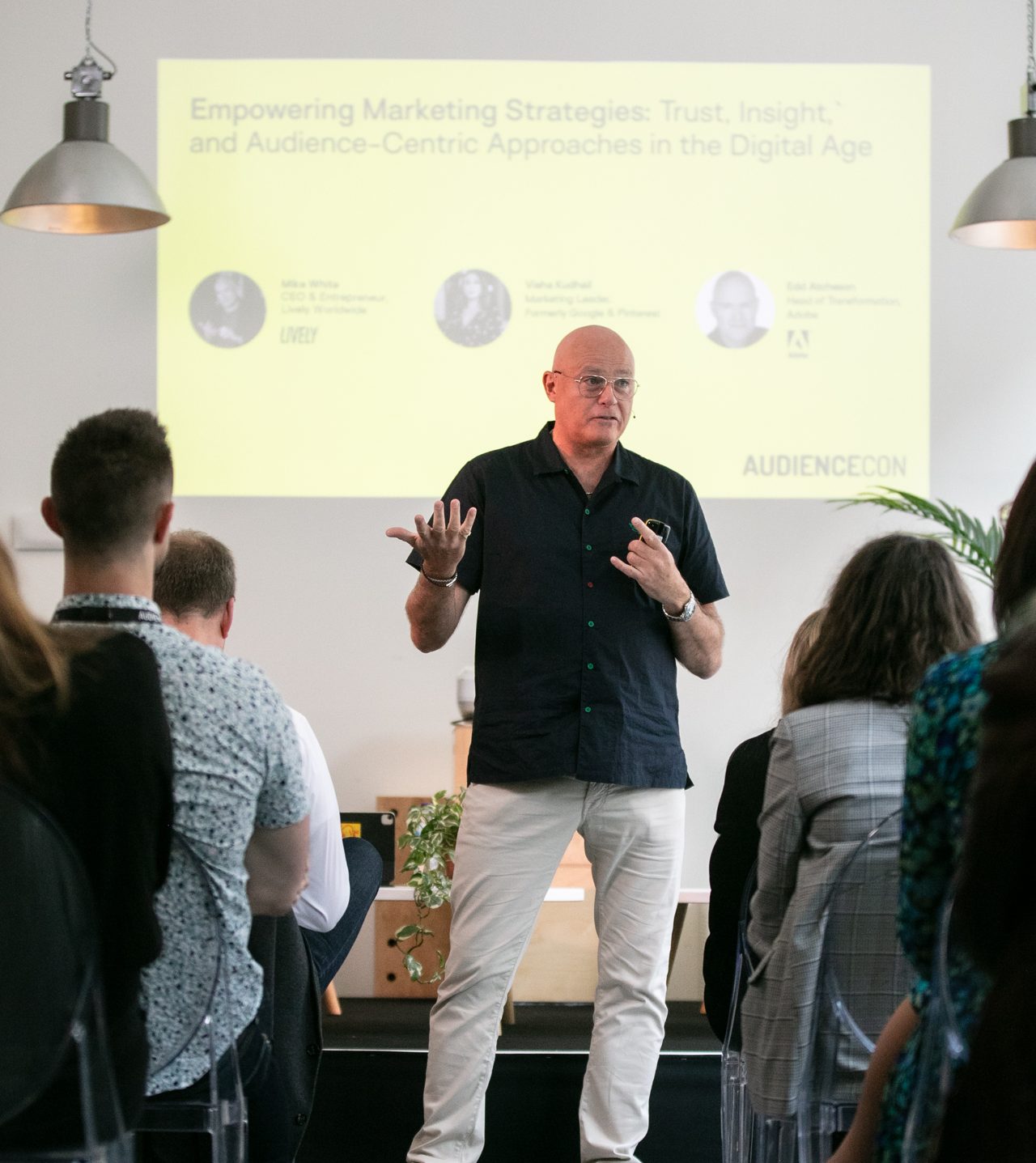
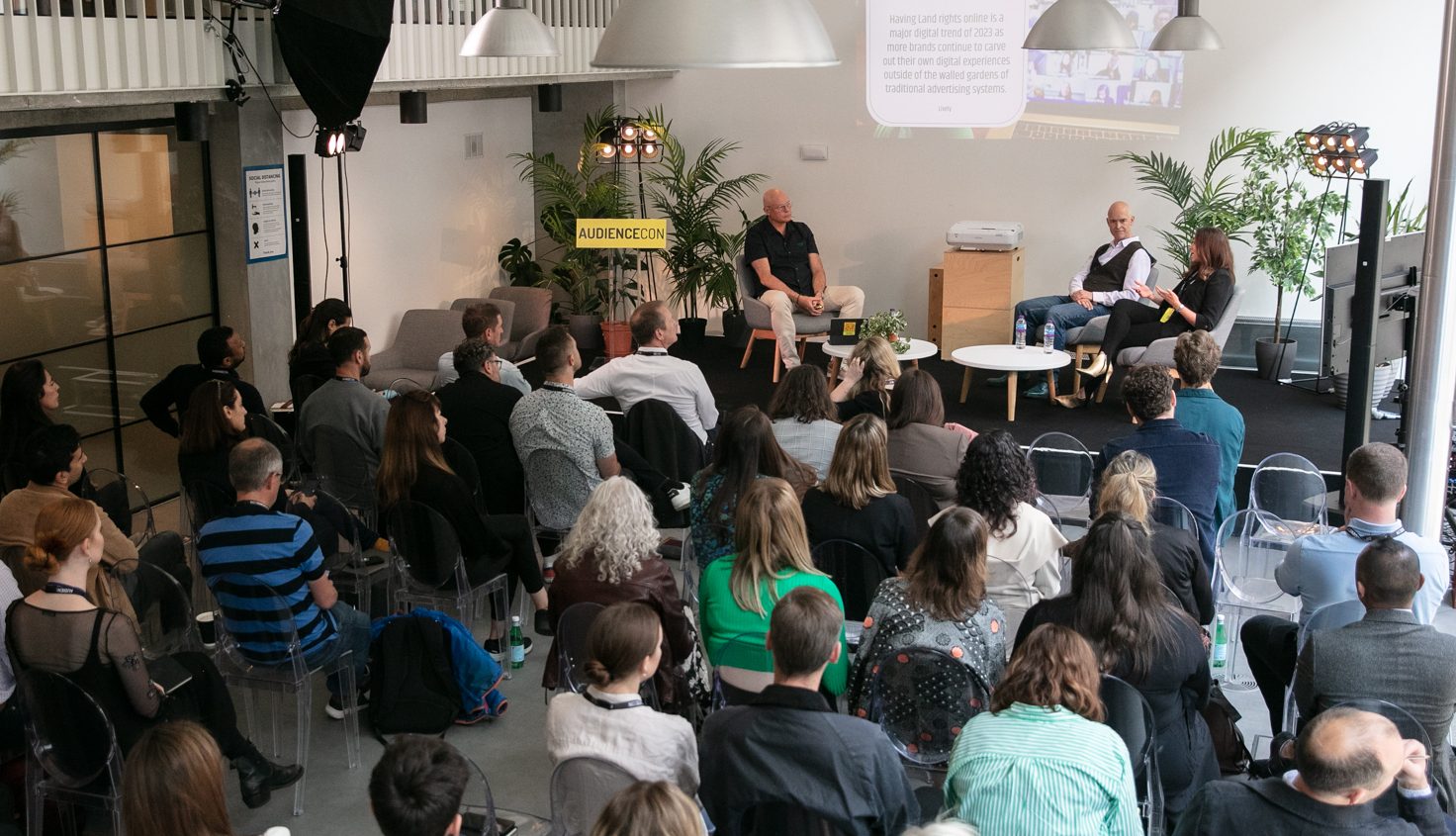
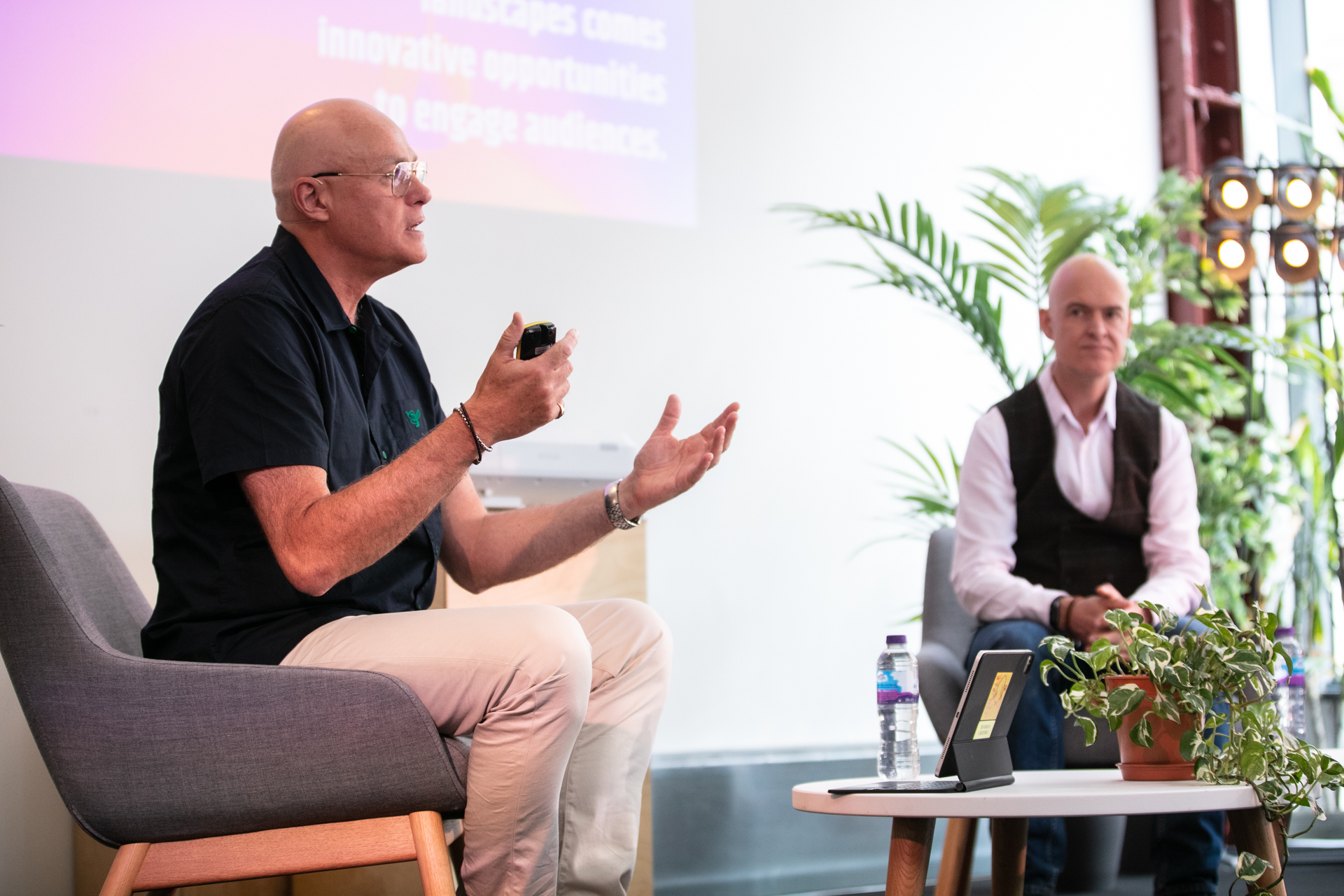
At AudienceCON, a dynamic conversation unfolded between agency leaders and brand-side transformers as they explored what audience-centricity actually looks like in practice. From building trust to breaking silos, the panel shared the cultural, strategic and operational shifts needed to meet today’s audiences with relevance and respect.
Let’s dive into what we learned.
Audience-first isn’t new (but it still isn’t the norm)
Plenty of companies say they’re customer-first. But as Edd Atcheson reminded us, their KPIs tell a different story.
Many businesses still operate with success metrics that prioritise clicks, volume and speed over actual customer impact. True transformation, he argues, starts with shifting internal measures. Edd tells the panel that "the biggest challenge in all the transformations I've done is getting the company as a culture to understand actually, your first KPI should be around customer centricity."
This means rewarding NPS over banner CTRs. It means creating incentives that prioritise long-term relationships over short-term wins.

Data should empower, not overwhelm
From CRM systems that collect dust to campaign metrics that vanish post-launch, the panel highlighted just how often businesses underuse their own data.
Visha Kudhail recalls working with global brands where even basic access to first-party data is missing. "I've gone to really big companies where nobody has great CRM systems, or have great email systems, or have access to their data - the data comes about you do great event, and then suddenly, it goes off somewhere on a drive and nobody can find it."
Audience-centric strategy demands that brands not only collect data but activate it. That means investing in proper systems, better collaboration, and talent who can actually use insights to shape creative and media decisions.
Culture change beats tech upgrades
Digital transformation isn’t just about adopting new tools. It’s about how teams work - and think. For Edd, successful change has less to do with software and more to do with people. It’s about:
- Breaking down silos between departments
- Giving staff access to audience data
- Training marketers in hypothesis building and testing
Interestingly, he notes that the most popular training courses he runs aren’t on creative ideation, but on how to analyse data, test effectively, and refine strategies based on feedback. In short: marketers want to understand how to use insight, not just admire it.
Test-and-learn is the new campaign cycle
Marketing used to move in bursts - big seasonal campaigns with little room for iteration. But as Mike White points out, budget cuts and shifting consumer habits have made long-term, always-on relationships the new standard.
He tells us he sees great success when brands "build out campaigns to build that relationship, that just constantly test and learn it." This means that the data "has got to come through constantly. And you've got to put those times in rather than review the end of the campaign and then start modelling a new one."
Instead of ‘launch and forget,’ brands should invest in adaptive frameworks that allow for quick testing, fast learning, and campaign evolution. A great idea isn’t enough - it needs to prove itself, and then be refined.
Edd echoes this with an anecdote about user testing: a UK-wide creative campaign that looked brilliant in meetings but fell apart when real people interacted with it. Testing isn’t just a formality - it’s how good ideas survive the real world.
Measurement needs a makeover
What gets measured gets managed - and if you’re only measuring vanity metrics, that’s what you’ll manage toward.
Both Visha and Edd make the case for rethinking KPIs. Edd offers a framework called the AARRR Pirate Metrics framework: acquisition, activation, retention, referral, and revenue. "When you think about that," he says, "that’s the customer lifecycle. One KPI for each. It simplifies everything."
Visha agrees, but cautions that simplified frameworks still need alignment across teams: "Everybody’s objective suddenly becomes the most important one so everyone's not actually working together and acting as one and going by that same decision." Simple frameworks still need to allow for everyone "to really get behind it. And you would need to have alignment with various different teams from leadership level and going further down."
Trust is the real value exchange
Amid the shifting tide of online and offline marketing, one theme stood out: trust. For Visha, building trust means understanding how your brand shows up in people’s lives. "You need to be respectful in how you appear on their screen or in their living room. We are humans, we want to be spoken to like humans, we want emotional advertising - not clickbait."
It’s not just about messaging, either. Trust extends to how data is used, how partnerships are managed, and how consistent and culturally relevant your campaigns are. Edd adds that brands need to empower customers to think critically about the content they’re consuming - and be confident enough to withstand that scrutiny. "Own it, think about it, and make sure your brand stands up to that criticism - it's hugely important."
Audience-first is the new baseline
Audience-first is no longer a nice-to-have. It’s the cost of staying relevant.
From metrics to media buying, creative to CRM, this panel made it clear: putting audiences first isn’t about one department or one tactic. It’s a cultural mindset. A strategic reset. And for the brands who commit? It’s a competitive advantage.
Watch the full session below.