1. Leveraging Audience Intelligence to Solve Disconnect in the Music Industry
Table of contents
With Christine Osazuwa (CHIPS, Measure of Music, ex-Warner Music)

What happens when data meets lived experience in one of the world’s most emotionally charged industries?
The music industry isn’t just about content consumption - it’s about identity, community, and culture. In a landscape where algorithms increasingly define visibility, and trends move faster than ever, the disconnect between audience behaviour and industry decision-making has never been more stark. Understanding this gap isn’t a niche concern - it’s a strategic imperative. Whether your brand is in entertainment, retail, tech or beyond, a lot is to be learned from the way marketers are solving audience-based problems in the music industry.
(To read more about how Pulsar's audience intelligence can apply to the entertainment industry, click here.)
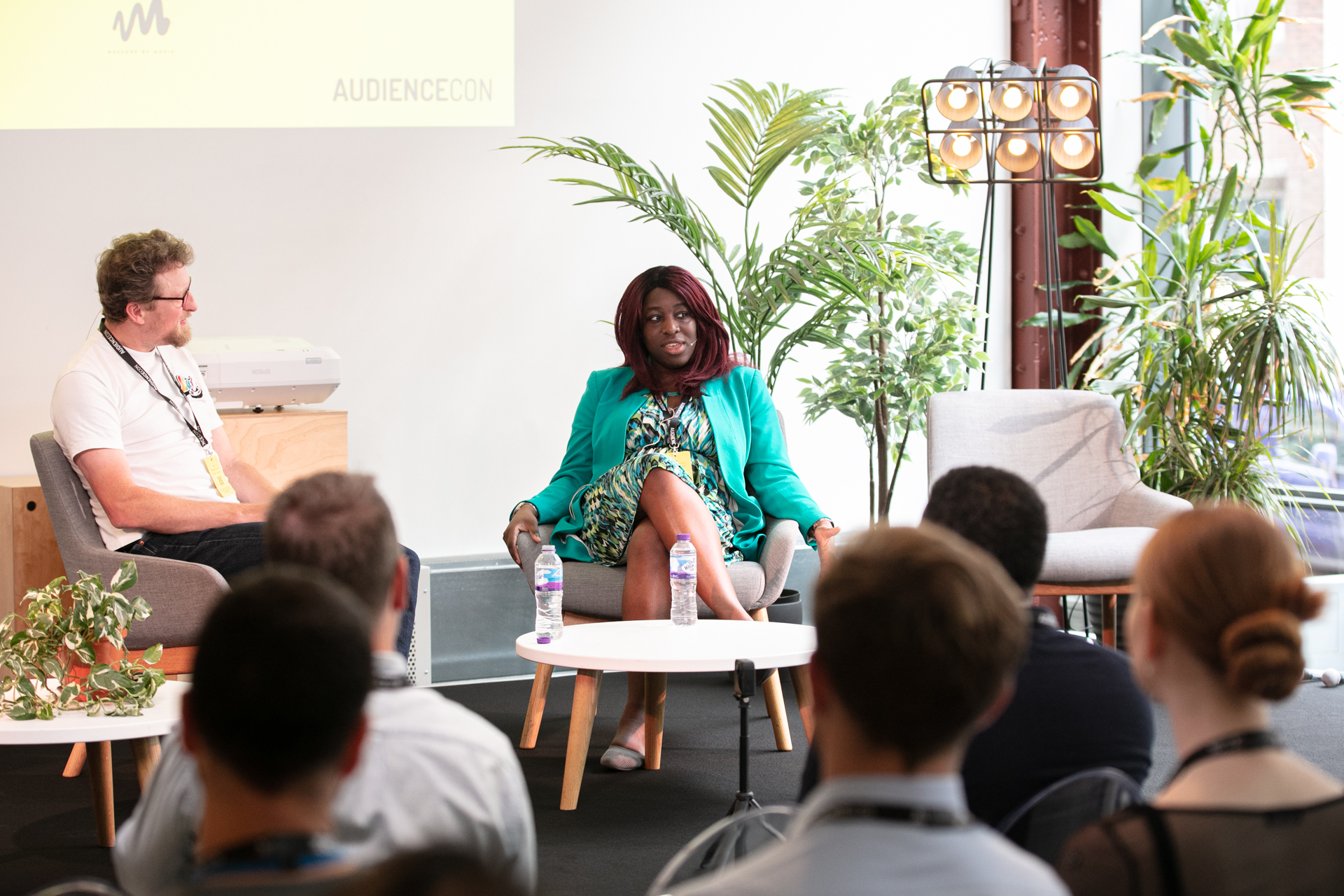
Watch the full recording below.
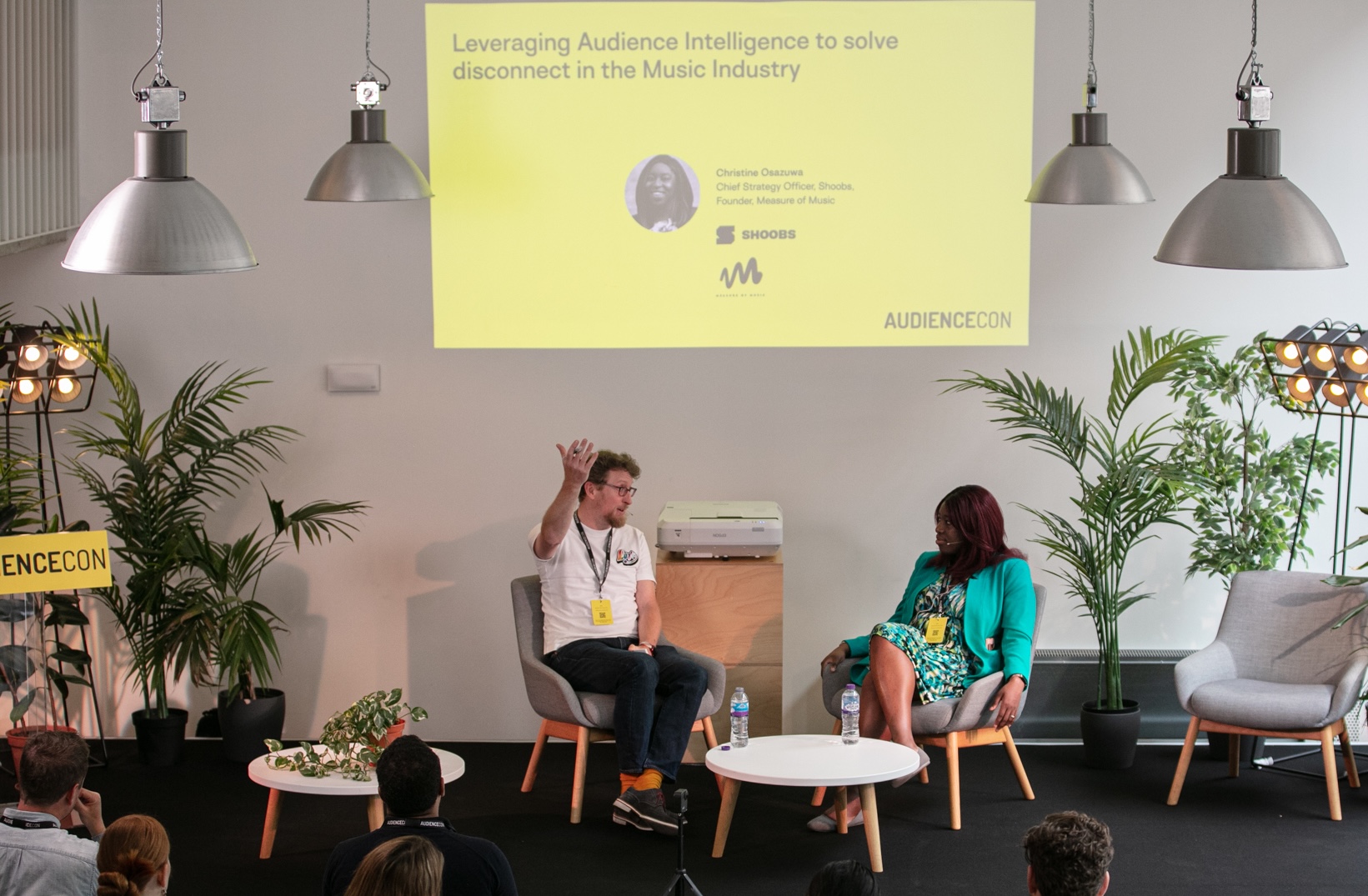
At AudienceCON, Christine Osazuwa, Chief Strategy Officer at CHIPS and founder of Measure of Music, shared a personal and practical look into how the music industry can use audience intelligence not just to market, but to truly connect. From her early days booking shows at 15 to leading global strategy for one of the world’s biggest labels, Christine’s insights make a powerful case for combining cultural nuance with commercial strategy.
Here’s what we learned about an industry that is powered by love, emotion and vibes.
Start simple, think big
The music industry often feels caught between tradition and tech. But according to Christine, foundational tools like Google Sheets and email lists are still some of the most powerful ways to reach audiences.
Platforms change, but contact lists endure - and knowing how to activate those lists can make or break a release.
Grassroots thinking is strategic thinking
Christine’s career began with DIY concerts and street team flyering. That hands-on experience shapes her understanding of audiences to this day.
Her key point? Data doesn’t exist in a vacuum. Behind every stream is a fan with a life, a schedule, and priorities that don’t always align with industry timelines. Good strategy accounts for that reality.
Get your head out of the States
One of the most powerful messages from the session: stop treating the U.S. as the default.
Global markets consume differently, value differently, and act differently - and recognising that isn’t just ethical, it’s strategic. From streaming habits in South Africa to the emotional value of live shows in underserved regions, your marketing must reflect local truths. Audience intelligence is a great way to fully examine your global market.
Your industry is probably siloed too
Christine drew a sharp comparison: "The music industry is kind of like one big conglomerate company who never speak to each other."
Streaming data lives with Spotify. Ticketing data lives with Ticketmaster. Merch data might sit in Shopify. The result? No one has the full picture. For artists and marketers alike, success means bridging these silos - and brands in every vertical should take note.
Learn from travel, not just tech
While music is often compared to other entertainment industries, Christine pointed to travel as a model for audience understanding. Bundling flights, hotels, and experiences gives travel companies a 360 degree view of their customers - something the music industry (and many others) still struggles to replicate.
Christine told us that the travel industry "managed to piece it together in a way that gives a holistic picture, I'm sure providing much better experiences for the actual audience that they're reaching." Learning your audience from all angles can shine light on important insights.
(To hear more about how the travel sector can teach importand lessons, click here.)
Fans are not just consumers - they’re advisors
Fans aren’t just data points. They’re embedded strategists. Think of them as your collaborators, not something to be conquered.
By this rule, having true fans within your team (or close to it) is essential. It means you catch mistakes earlier, hear backlash before it spreads, and stay connected to the culture you’re trying to reach. This isn’t sentimentality - it’s business intelligence.
Creativity can’t be codified
Christine closed with a warning about overfitting the past: "You can’t make new music by only looking at past performance only."
Predicting a hit song is one thing. Creating a genre-defining moment is another. The same holds true for brand campaigns, product innovation, and creative development. Real audience intelligence respects data - but it also makes space for intuition, culture, and risk.
Final thoughts
The music industry, with all its chaos, offers a masterclass in the balance of creativity and insight. For marketers outside music, this session was a reminder that audience intelligence isn’t just about platforms or pipelines - it’s about empathy, context, and collaboration across every corner of your business.