4. Tuning into Instinct: The Power of Creativity over Data in Music’s Golden Eras
Table of contents
With Miles Leonard (Token||Traxx, ex-EMI/Parlophone)

In a world of algorithms and audience analytics, does creativity still have the final word?
For Miles Leonard, the answer is a bold and emphatic 'YES'. At AudienceCON, the legendary A&R executive behind acts like Coldplay, Gorillaz and Kylie Minogue offered a front-row look into how data can enhance artistry - but never replace instinct.
With decades of experience navigating music’s wildest evolutions, Miles makes a compelling case: data can tell you what’s working, but it can’t tell you what to make next. Here’s what we learned from a conversation rich in music history and hard-won wisdom.
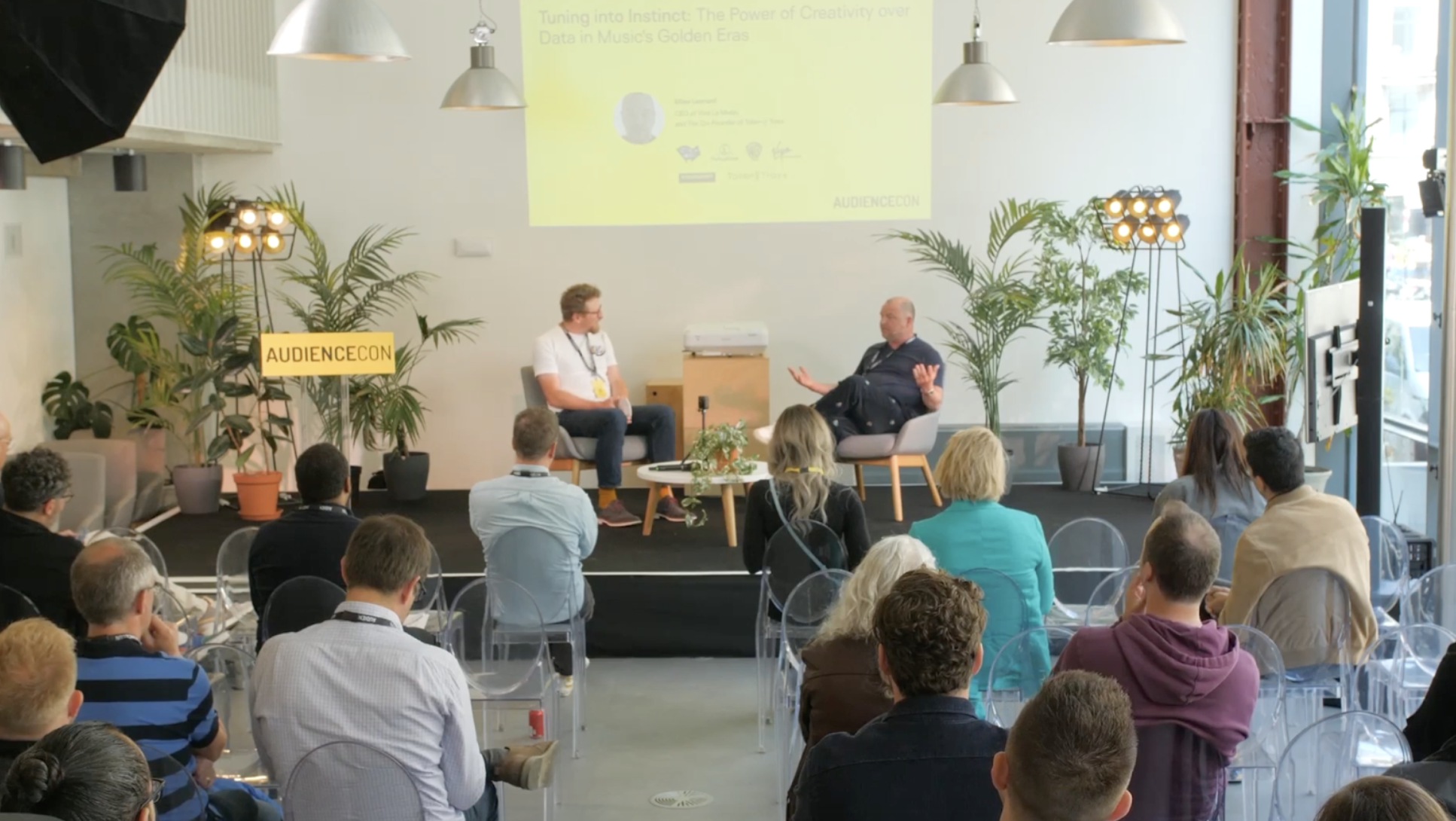
Watch the full recording below.
Instinct still drives impact
This isn’t just a music industry insight - it’s a universal creative truth. In any industry where innovation matters, trusting your gut can be the catalyst for breakthrough ideas. Brands across fashion, food, tech, and entertainment often find their biggest wins come from bold decisions that data alone couldn’t justify.
(To read more about how Pulsar's audience intelligence can apply to the entertainment industry, click here.)
Miles starts his career in A&R - finding and developing artists long before they have fans or algorithms behind them. He says: "Gut feeling was something that the music industry relied on for some time, especially in the creative side." Whether reviving Kylie Minogue’s career or launching a virtual band like Gorillaz in the early internet era, instinct, not insight, shaped the boldest decisions.
Artists need to connect, not just be streamed
For marketers in any industry, this raises a powerful question: are you building relationships, or just impressions? Passive engagement might inflate numbers, but emotional resonance builds loyalty.
Streaming makes discovery easier but relationships weaker. As Miles puts it, "streaming has created a very passive relationship with your audience. It’s like wallpaper listening. It's created a certain barrier between the artist and the audience."
To counter that, the best artists build experiences that fans feel part of. He points to Coldplay: "Every single person has a wristband that lights up, and every person in that stadium, even if you're right at the very back, becomes part of the show." Emotional connection, values and imagination drive the audience relationship.
Creativity can’t be reverse engineered
It’s a cautionary tale for marketers too: don’t let audience insight turn into audience obedience. Data can suggest trends, but if everyone follows the same formula, everything starts to sound (and look) the same.
Even with the best dashboards in the world, you can’t A/B test your way to a hit. On the creative side, Miles warns that "using data to form your creative vision is something very delicate." He describes how one record was made entirely based on data - and flopped. The artist looked perfect on paper. The songs were catchy. But, he says that "nobody cared about this artist. They liked hearing the song on the radio, but they didn't have any deep connection with the artist in any shape or form."
But... data does have a role
Marketers can take note: data is a powerful compass, but not a destination. Use it to guide your distribution, personalise your messaging, and find new growth opportunities - just don’t mistake it for the spark itself.
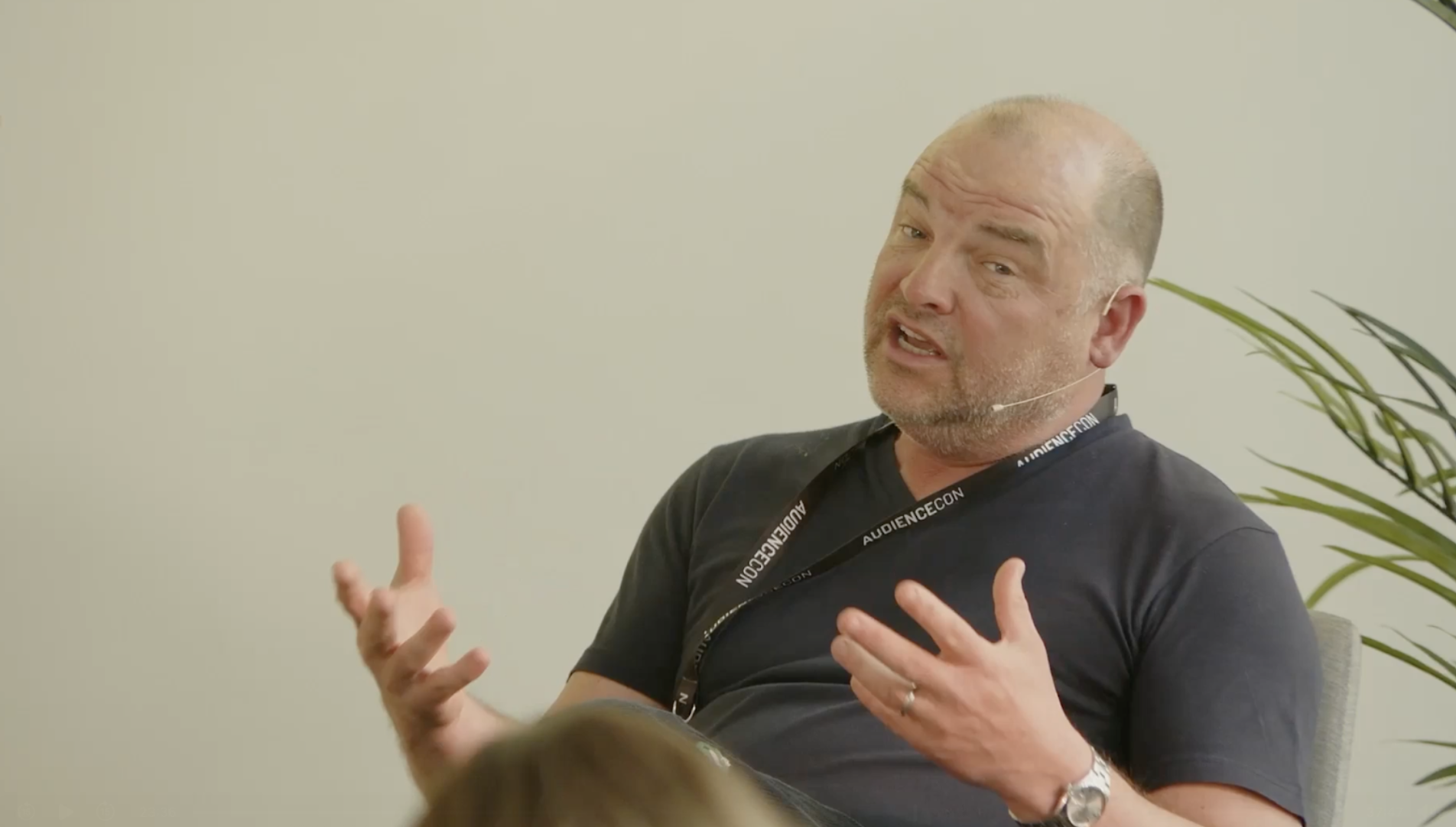
When used wisely, data can deepen audience understanding and inform decisions outside the creative core. Miles asks "why wouldn't you want to understand your audience, your fan base?" This isn't to provide any kind of influence on how the artists create their music, but Miles nonetheless wants to know "where they're listening to your music, other artists they're listening to, you know, what sort of merch they're buying, where they're buying the merch, if they're buying music and merch together."
Data is invaluable for tour planning, merchandise bundling, even setlist design. But the artistry? That still comes from the artist.
Trust as crisis aversion
Across industries, trust is the backbone of brand equity. When your audience sees you make choices that align with your values (and theirs), they stick around. When you misstep, it’s your relationship with them that decides if you recover.
Understanding your audience is also how you avoid alienating them. Miles explains that of course, "artists do make mistakes whether that's in the creative side around their music, or whether it's brand in their association, or being aligned with something in particular, that doesn't feel natural feel right for their audience."
Data can’t tell you what feels authentic. But it can alert you to what’s gone wrong, and help you rebuild trust.
Stay bold to stay relevant
Whether you’re a global brand or an emerging artist, staying relevant means evolving in ways that feel true - not trend-driven. Playing it safe may protect you from criticism, but it also protects you from greatness.
When asked what advice he’d give his younger self, Miles says to "trust your gut… but recognise when your audience is telling you something." He’s seen artists try to please everyone and lose their core. But he’s also seen boldness pay off. Just look at Harry Styles: "if you'd asked his audience fan base, what should he do when he leaves and becomes a solo artist, I can guarantee it wouldn't be anything like what we see today." He's excelled as a solo artist hollistically because "the gut feeling was: be bold, be brave."
When Data Meets Imagination
Data can refine, reveal, and redirect. But it can’t imagine - and it can’t make things cool. The best art - just like the best brands - find their edge when instinct and insight collaborate. As Miles puts it: "always trust the creative people you have - get the most innovative, creative people, but then don't stifle them."
(To read more about fostering internal creativity to the max, click here.)
Watch the full session below.